Cava Braised Lamb
Home reconstruction
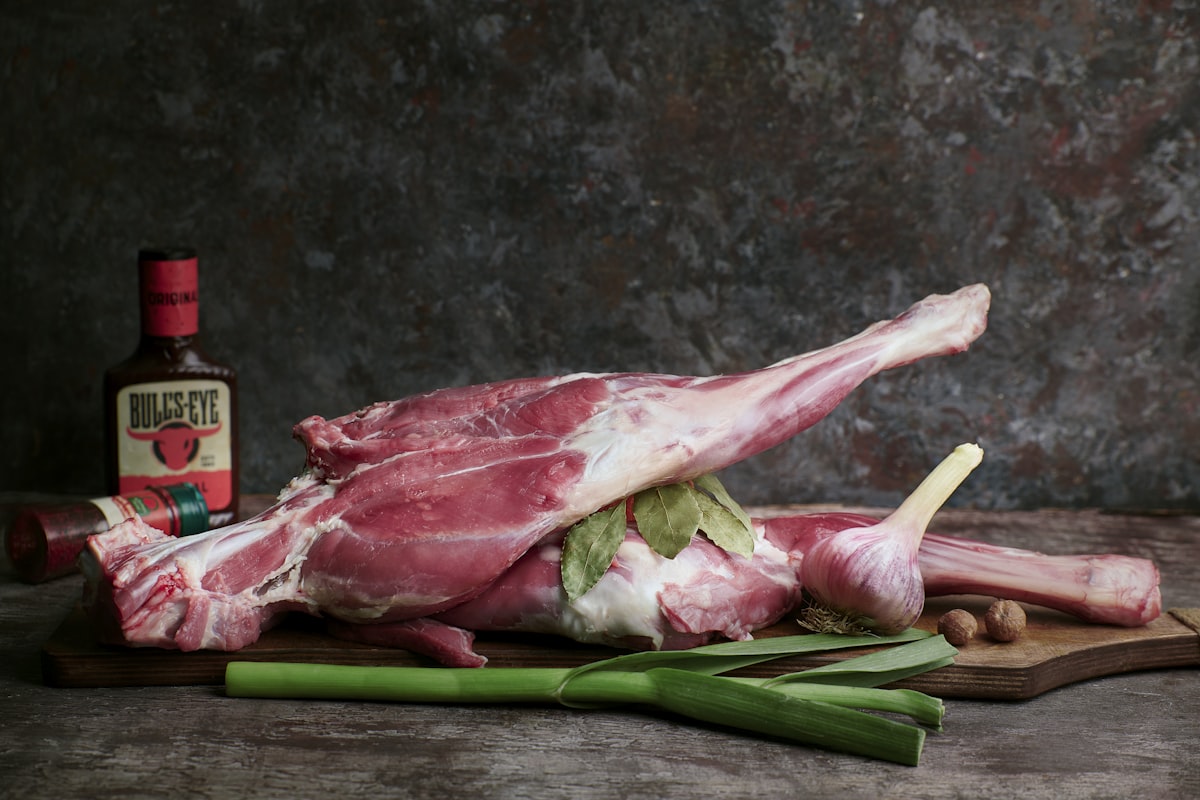
Braised lamb either shreds or it does not, and the difference is entirely about collagen.
Collagen converts to gelatin at around 70°C, but slowly — it takes hours at that temperature, not minutes. Until it has converted, the meat is tough. Once it has, the meat falls apart and the liquid is rich and slightly sticky.
You cannot speed this up by raising the temperature. Higher heat squeezes water out of the muscle faster than the collagen breaks down, and you end up with meat that is both dry and tough — the worst of both.
Low and long. Three hours minimum.
Jump to the recipe ↓Cava Braised Lamb
Serves 6 · Main
- Prep
- 20 min
- Cook
- 180 min
- Total
- 200 min
Easy9 steps
~730 kcal per servingestimated
Ingredients
- 1.4 kg boneless lamb shoulder, 5 cm pieces
- 2 tbsp olive oil
- 2 onions, sliced; 4 cloves garlic, minced
- 2 tbsp tomato purée
- 400 g tin chopped tomatoes, 350 ml stock
- 2 tsp cumin, 2 tsp dried oregano, 1 tsp ground coriander
- 1 tsp smoked paprika, 1/2 tsp cinnamon, 2 bay leaves
- juice of 1 lemon, salt and pepper
Method
- Oven to 150°C.
- Pat the lamb dry and season.
- Brown in batches; remove.8–10 minutes
- Onions, then garlic 1 minute.8 minutes
- Purée and dry spices.1 minute
- Tomatoes and stock; scrape the base.
- Return the lamb; liquid two-thirds up.
- Lid on, 2. at 150°C.5–3 hours
- Lemon juice stirred in at the end.
Shoulder, not leg
Shoulder is a hard-working muscle with a lot of connective tissue and intramuscular fat. That is exactly what you want: plenty of collagen to convert and enough fat to keep it moist over three hours.
Leg is leaner and tighter-grained. Braised, it goes stringy rather than shreddable.
Brown it properly, in batches
The browning is where a large part of the flavour comes from, and it takes longer than people allow — eight to ten minutes total, in batches, with the pieces not touching.
Crowd the pan and the meat releases water, the pan drops below browning temperature, and the lamb greys instead. There is no recovering that colour later.
Pat the pieces dry first.
Barely covered, not submerged
Liquid should come about two-thirds of the way up the meat. Fully submerged, the lamb boils and the braising liquid stays thin.
Partly exposed, the top surface roasts while the bottom braises, and the liquid reduces into something worth spooning over.
What you need
- 1.4 kg lamb shoulder, boneless, in 5 cm pieces
- 2 tbsp olive oil
- 2 onions, sliced
- 4 cloves garlic, minced
- 2 tbsp tomato purée
- 400 g tin chopped tomatoes
- 350 ml chicken or lamb stock
- 2 tsp ground cumin
- 2 tsp dried oregano
- 1 tsp ground coriander
- 1 tsp smoked paprika
- 1/2 tsp ground cinnamon
- 2 bay leaves
- juice of 1 lemon
- salt and black pepper
Method
- Oven to 150°C.
- Pat the lamb dry and season well.
- Brown in olive oil in a heavy casserole, in batches, 8–10 minutes total. Remove.
- Onions into the same pot, 8 minutes until soft and golden. Garlic, 1 minute.
- Tomato purée and all the dry spices, stirred for 1 minute to bloom them in the fat.
- Tinned tomatoes and stock. Scrape the base.
- Return the lamb with the bay leaves. Liquid should come two-thirds up.
- Lid on, into the oven for 2.5 to 3 hours. Check at 2.5.
- Lemon juice stirred in at the end.
Bloom the spices in fat
A minute of stirring ground spices in hot fat before liquid arrives makes a noticeable difference. Their aromatic compounds are fat-soluble, so they dissolve into the oil and spread through the whole dish.
Added with the liquid, a good share stays as gritty particles suspended in water.
The lemon at the end
Three hours of braising gives you something rich, deep and slightly heavy. Acid at the end lifts it, and it has to be at the end — lemon added at the start cooks into nothing.
Storing
Four days in the fridge and better on day two, like every braise.
Three months frozen. Freeze it in the liquid, which protects the meat.
Reheat gently. Boiling shredded braised meat makes it stringy.
Questions people ask
Why is my braised lamb tough?
It has not been cooked long enough. Collagen converts to gelatin slowly at around 70°C, and until it does the meat stays tough.
Can I cook it hotter to save time?
No. Higher heat drives water out faster than the collagen breaks down, so you get meat that is dry and tough at once.
Shoulder or leg?
Shoulder. It has the connective tissue and fat that a long braise needs; leg goes stringy.
Should the meat be fully covered in liquid?
No, about two-thirds. Submerged it boils, and the liquid never reduces into a sauce.
Why bloom the spices?
Their aromatics are fat-soluble. A minute in hot fat spreads them through the dish; added with liquid they stay gritty.
Can I use a slow cooker?
Yes — brown everything on the hob first, then 8 hours on low. The browning cannot be skipped.
This is a home reconstruction, not Cava's recipe. Their spice blend is proprietary.
More like this
 Home reconstructionCava Cabbage Slaw: Massage the Cabbage With the DressingTossed, the dressing sits on the outside. Worked in with your hands for a minute, it goes into the leaf.
 Home reconstructionCava Lentils: Salt Them Early, Not LateThe advice that salt keeps lentils hard is wrong, and following it gives you bland lentils with mush around the edges.
 Home reconstructionCava Roasted Sweet Potato: Space on the Tray Is the Whole RecipeSweet potato holds enough water to steam itself. Crowd the tray and no oven temperature will save it.