Hush Puppies
Home reconstruction
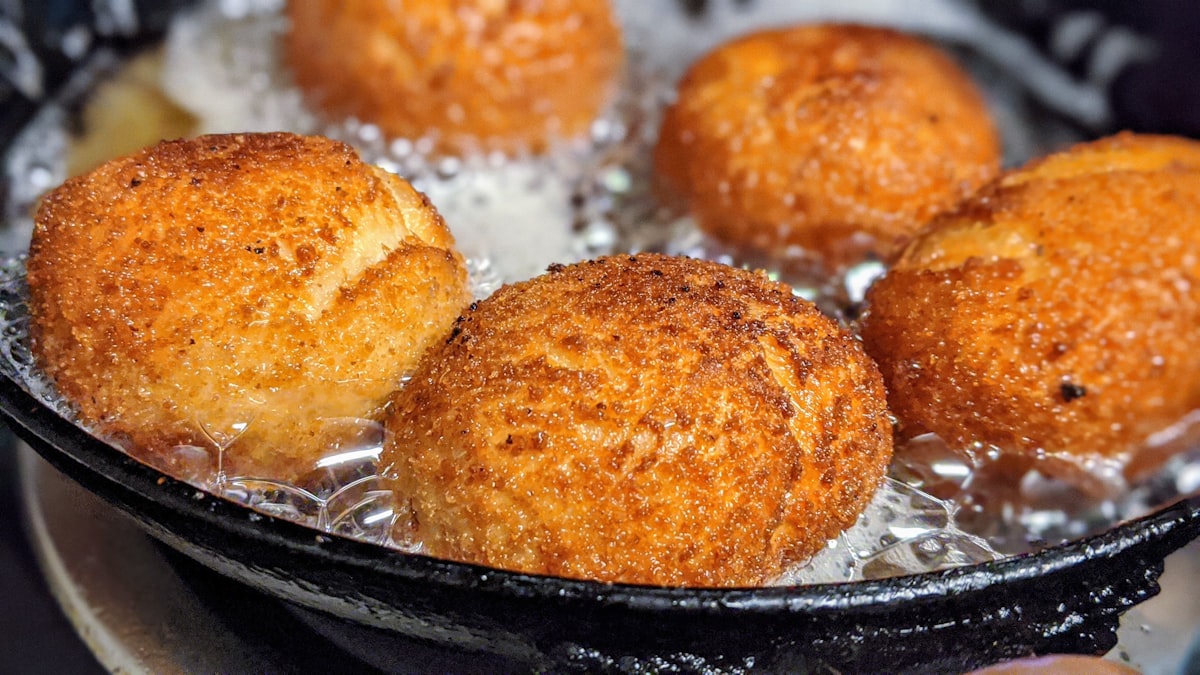
The complaint is always the same: dark brown outside, raw batter in the middle. There are two causes and they compound each other.
The oil was too hot. At 190°C the outside browns in ninety seconds, long before heat has reached the centre of a ball of batter.
The batter was not rested. Dry cornmeal in a fresh batter has not absorbed its liquid yet, so it is loose, it spreads, and the texture inside stays gritty and wet.
175°C, and ten minutes of resting. That is the recipe.
Jump to the recipe ↓Hush Puppies
24 hush puppies · Side
- Prep
- 10 min
- Cook
- 15 min
- Total
- 25 min + 10 min resting
Moderate7 steps, 10 ingredients
~70 kcal per servingestimated
Ingredients
- 180 g fine cornmeal
- 60 g plain flour
- 1 tbsp granulated sugar
- 2 tsp baking powder
- 1/2 tsp bicarbonate of soda
- 1 tsp salt, 1/2 tsp black pepper
- 240 ml buttermilk
- 1 large egg
- 1 small onion, finely grated
- neutral oil for frying
Method
- Whisk the dry ingredients.
- Stir in the buttermilk, egg and grated onion.
- Rest until thickened.10 minutes
- Heat oil to 175°C.
- Drop tablespoons in with two spoons, 5–6 at a time.
- Fry, turning, until deep golden.3–4 minutes
- Drain on a rack; salt immediately.
Why cornmeal needs time
Cornmeal is a coarse grind and it hydrates slowly compared to flour. In a batter used immediately, a good share of the meal is still dry grains suspended in liquid.
Ten minutes and the batter visibly thickens as the meal takes up the buttermilk. That thicker batter holds its shape in the oil, so you get a round hush puppy rather than a flat spreading one, and the inside cooks evenly.
Twenty minutes is better than ten. Much beyond half an hour and the raising agents start losing their lift.
Buttermilk and bicarbonate
The pairing is not decorative. Buttermilk is acidic, and bicarbonate of soda needs acid to produce gas. Together they give the lift that makes a hush puppy light rather than dense.
With plain milk, the bicarbonate has nothing to react with, and you get a heavy result plus a faint soapy taste from the unreacted soda.
No buttermilk? A tablespoon of lemon juice or vinegar in regular milk, left ten minutes.
Two spoons, not your hands
Scoop with one tablespoon and push the batter off with a second, straight into the oil. The batter is too loose to roll and handling it warms it and knocks the gas out.
Keep them small — a tablespoon each. Larger ones bring back the raw-centre problem no matter what temperature you use.
What you need
- 180 g fine cornmeal
- 60 g plain flour
- 1 tbsp granulated sugar
- 2 tsp baking powder
- 1/2 tsp bicarbonate of soda
- 1 tsp fine salt
- 1/2 tsp black pepper
- 240 ml buttermilk
- 1 large egg
- 1 small onion, very finely grated
- neutral oil for frying
Method
- Whisk the cornmeal, flour, sugar, baking powder, bicarbonate, salt and pepper.
- Beat the buttermilk and egg together and stir them in with the grated onion.
- Rest the batter 10 minutes. It will thicken noticeably.
- Heat oil to 175°C. Use a thermometer.
- Drop tablespoons of batter in using two spoons, 5 or 6 at a time.
- Fry 3–4 minutes, turning, until deep golden all over.
- Drain on a rack. Salt immediately.
Grate the onion, do not chop it
Chopped onion gives you pieces that stay crunchy and, more importantly, create weak points where the hush puppy splits in the oil.
Grated onion disappears into the batter and gives flavour throughout. It also releases juice, which is part of the liquid, so grate it straight into the bowl.
Fry in small batches
Six at a time in a normal pan. More than that and the oil temperature drops below 160°C, at which point the batter starts absorbing oil instead of sealing — which is exactly how they come out greasy.
Let the oil come back up between batches.
Storing
They are best within ten minutes. Two days in the fridge and reheated at 190°C for 5 minutes, they are acceptable.
They freeze for two months after frying. Reheat straight from frozen at 190°C for 8 minutes.
Questions people ask
Why are mine raw in the middle?
The oil was too hot and the batter was not rested. 175°C, and give the batter ten minutes to thicken.
Why rest the batter?
Cornmeal hydrates slowly. Rested, the batter thickens and holds its shape, and the inside cooks through evenly.
Can I use milk instead of buttermilk?
Add a tablespoon of lemon juice or vinegar to milk and wait ten minutes. The bicarbonate needs acid to work.
Why grate the onion?
Chopped pieces stay crunchy and create weak points where they split in the oil. Grated, the onion disappears and its juice becomes part of the batter.
Why are mine greasy?
Too many in the pan at once, dropping the oil below about 160°C. Fry five or six at a time.
Can I freeze them?
Yes, two months after frying. Reheat from frozen at 190°C for 8 minutes.
This is a home version of a Southern classic rather than a transcription of any particular cook's published recipe, including Brenda Gantt's. Where a cook has published their own, the wording and quantities are theirs.
More like this
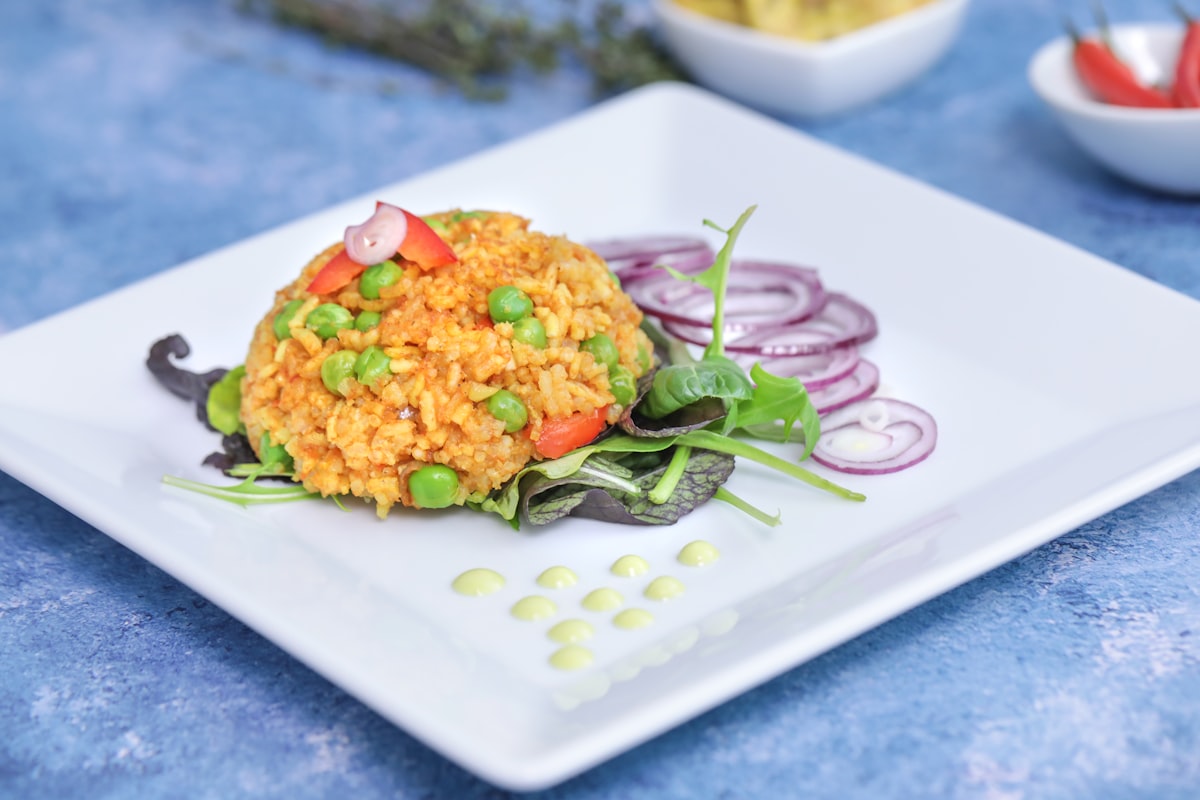 Home reconstructionApplebee's Spanish Rice: Toast the Rice in Oil Until It ColoursSkip the toasting step and you have made tomato rice pudding. It takes four minutes and it is the whole dish.
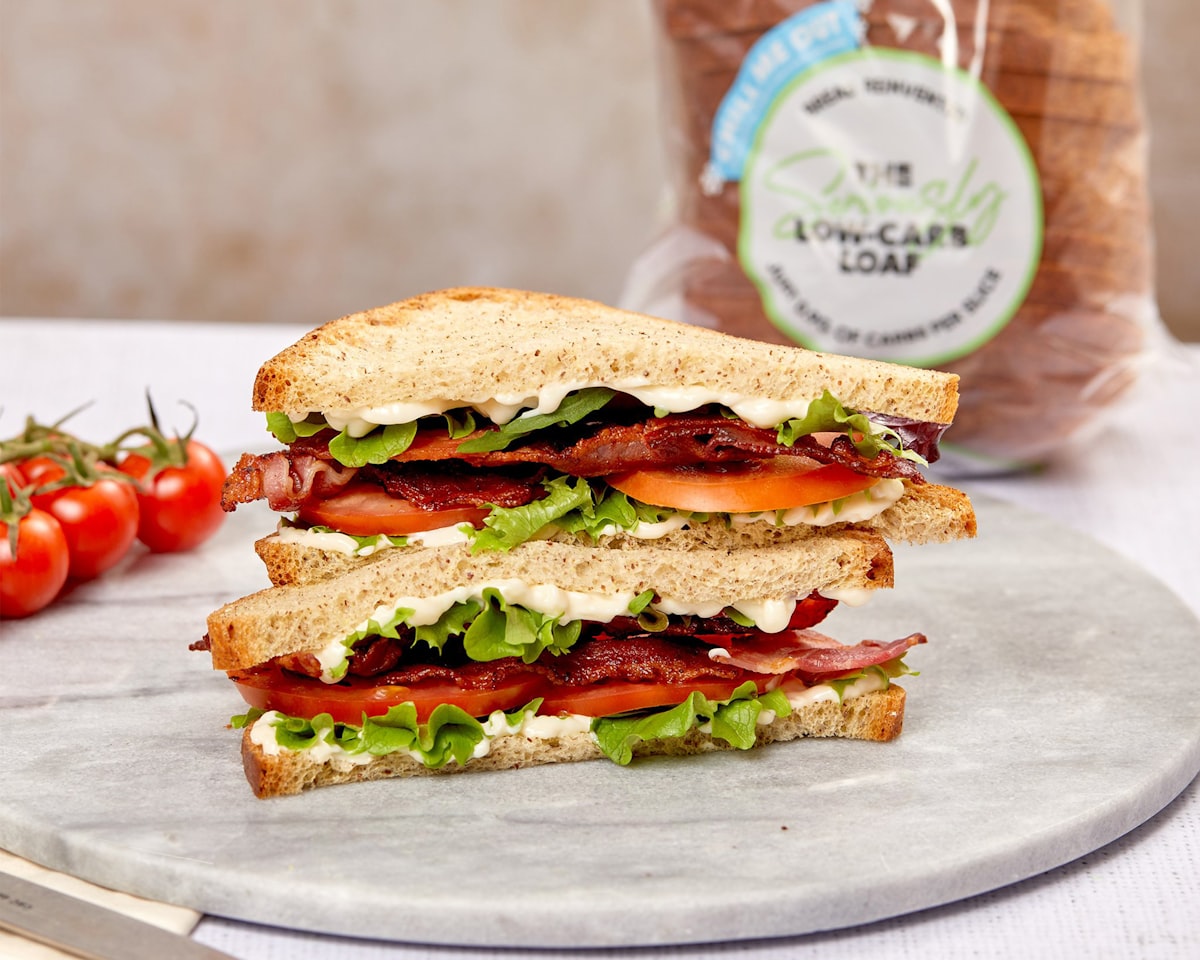 Home reconstructionArby's Reuben: Squeeze the Sauerkraut DrySauerkraut is packed in brine. Straight from the jar it turns rye bread to pulp before the cheese has melted.
 Home reconstructionBahama Breeze Empanadas: The Filling Has to Be ColdWarm filling melts the fat in the pastry before it reaches the oil, and the seal fails. Chilling it is the whole fix.