Bahama Breeze Empanadas
Home reconstruction
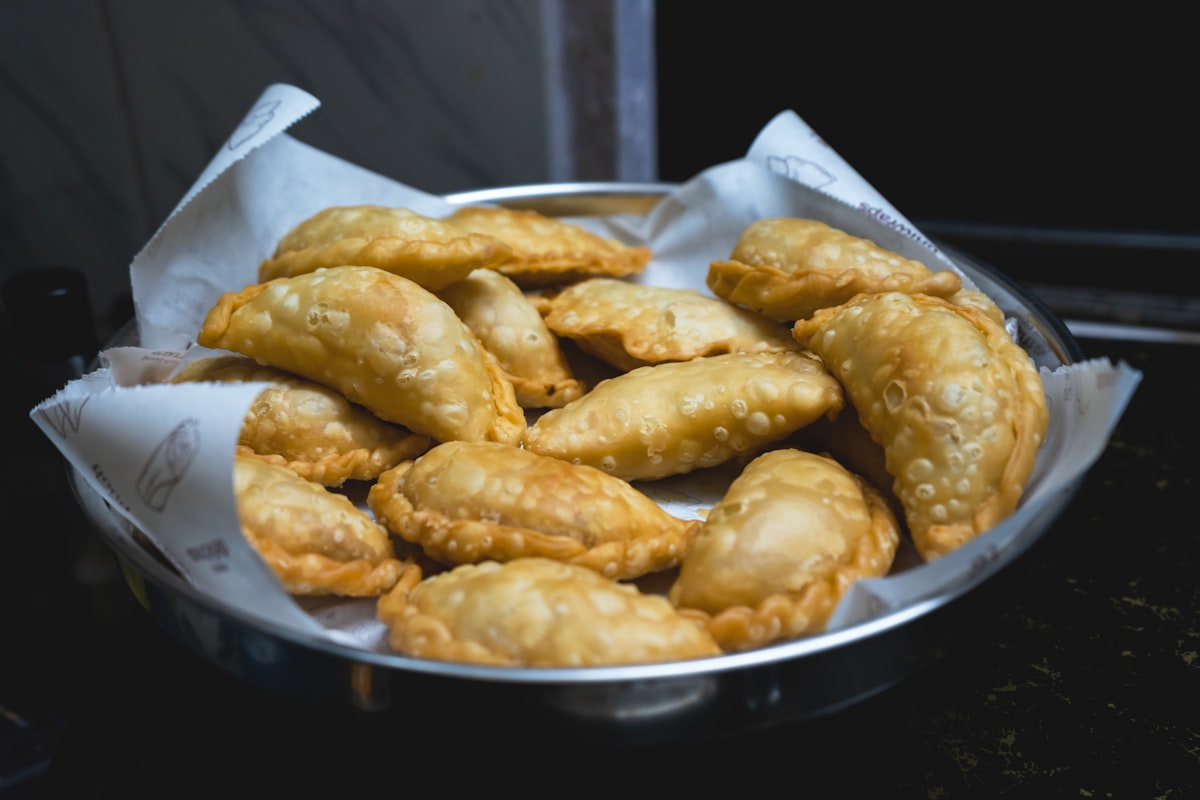
Empanadas burst. Almost always at the seam, almost always in the oil, and almost always for the same reason: the filling went in warm.
Pastry works because solid pieces of fat sit between layers of flour. Warm filling melts that fat from the inside while you are still assembling, so the dough goes slack, the seal will not hold, and steam pushes the seam open the moment it hits heat.
Cold filling, cold dough, and chill the assembled empanadas again before frying. Three chills, and none of them are optional.
Jump to the recipe ↓Bahama Breeze Empanadas
12 empanadas · Main
- Prep
- 30 min
- Cook
- 15 min
- Total
- 45 min
Involved9 steps, 10 ingredients, a technique that commonly fails
~260 kcal per servingestimated
Ingredients
- 450 g beef mince
- 1 onion, 1 red pepper, finely diced
- 3 cloves garlic, minced
- 2 tbsp tomato purée
- 60 g green olives, chopped
- 1 tsp each cumin, smoked paprika, dried oregano
- 1/2 tsp salt, 1/2 tsp black pepper
- 12 empanada discs
- 1 egg, beaten
- oil for frying
Method
- Brown the beef; set aside.
- Soften the onion and pepper, then the garlic.
- Return the beef with the purée, olives and spices.
- Cook until completely dry.
- Cool, then refrigerate at least an hour.
- 2 tbsp filling per disc, off-centre, 1.5 cm clean border.
- Egg the border, fold, press air out, crimp.
- Chill 20 minutes.20 minutes
- Fry at 180°C a side.3–4 minutes
The other seam failure: overfilling
Two tablespoons per disc. It looks mean and it is right.
Filling right up to the fold leaves no dry margin for the seal, and any filling caught in the crimp acts as a lubricant that lets it slide open.
Leave a clean 1.5 cm border, and wipe it if anything lands there.
Sealing properly
Fold, press the air out from the middle outwards, then press the edge firmly with your fingers before you crimp with a fork.
Trapped air expands in the oil, and it has to go somewhere.
A brush of water or egg wash on the border helps, but it is a supporting measure. The seal comes from pressure and from the border being dry and clean.
The filling
Picadillo-style: beef, sofrito, olives, a little tomato. The two things that matter are that it is well reduced and that it is cold.
Wet filling generates steam. Steam is what bursts them. Cook the mixture until there is no free liquid in the pan at all — tilt it and nothing should run.
What you need
Filling
- 450 g beef mince
- 1 onion, finely diced
- 1 red pepper, finely diced
- 3 cloves garlic, minced
- 2 tbsp tomato purée
- 60 g green olives, chopped
- 1 tsp ground cumin
- 1 tsp smoked paprika
- 1 tsp dried oregano
- 1/2 tsp salt, 1/2 tsp black pepper
To assemble
- 12 empanada discs (frozen, thawed) or shortcrust pastry cut into 12 cm rounds
- 1 egg, beaten
- oil for frying
Method
- Brown the beef over a high heat, breaking it up. Remove and set aside.
- Soften the onion and pepper for 6 minutes, then the garlic for one more.
- Return the beef with the tomato purée, olives and spices.
- Cook until completely dry, 8–10 minutes. Nothing should run when you tilt the pan.
- Cool completely, then refrigerate at least an hour. This is the step people skip.
- Two tablespoons of cold filling onto each cold disc, off-centre, leaving a clean 1.5 cm border.
- Brush the border with egg. Fold, press out the air from the centre outwards, press the edge, then crimp with a fork.
- Chill the assembled empanadas 20 minutes.
- Fry at 180°C for 3–4 minutes a side, or bake at 200°C for 20–22 minutes with an egg wash.
Off-centre, not centre
Placing the filling slightly off-centre means the disc folds over it without stretching. Dead centre, the top half has to travel further and the pastry thins as it goes, which is where a second kind of split comes from.
Frying versus baking
Fried gives the blistered, bubbled surface these have at the restaurant.
Baked is cleaner and easier and gives a flatter, more uniform pastry. Brush with egg for colour, and accept it is a different texture.
Storing
Assembled and unfried, three months in the freezer on a tray then bagged. Fry from frozen, adding two minutes — arguably the best way to do it, since they are guaranteed cold.
Cooked, two days in the fridge. Reheat at 190°C for 8 minutes.
Questions people ask
Why do my empanadas burst?
Warm or wet filling. Warm filling melts the fat in the pastry so the seal fails; wet filling turns to steam and forces the seam open.
How much filling per empanada?
Two tablespoons. More leaves no dry border for the seal.
Do I need to chill them after assembling?
Twenty minutes, yes. It firms the fat back up before they hit the oil.
Fry or bake?
Frying gives the blistered surface. Baking is easier and gives a flatter, more uniform result.
Can I freeze them?
Yes, assembled and unfried, three months. Fry from frozen with two extra minutes.
Why place the filling off-centre?
So the pastry folds over without stretching. Dead centre, the top thins as it travels and splits.
This is a home reconstruction, not Bahama Breeze's recipe. Their formula is proprietary.
More like this
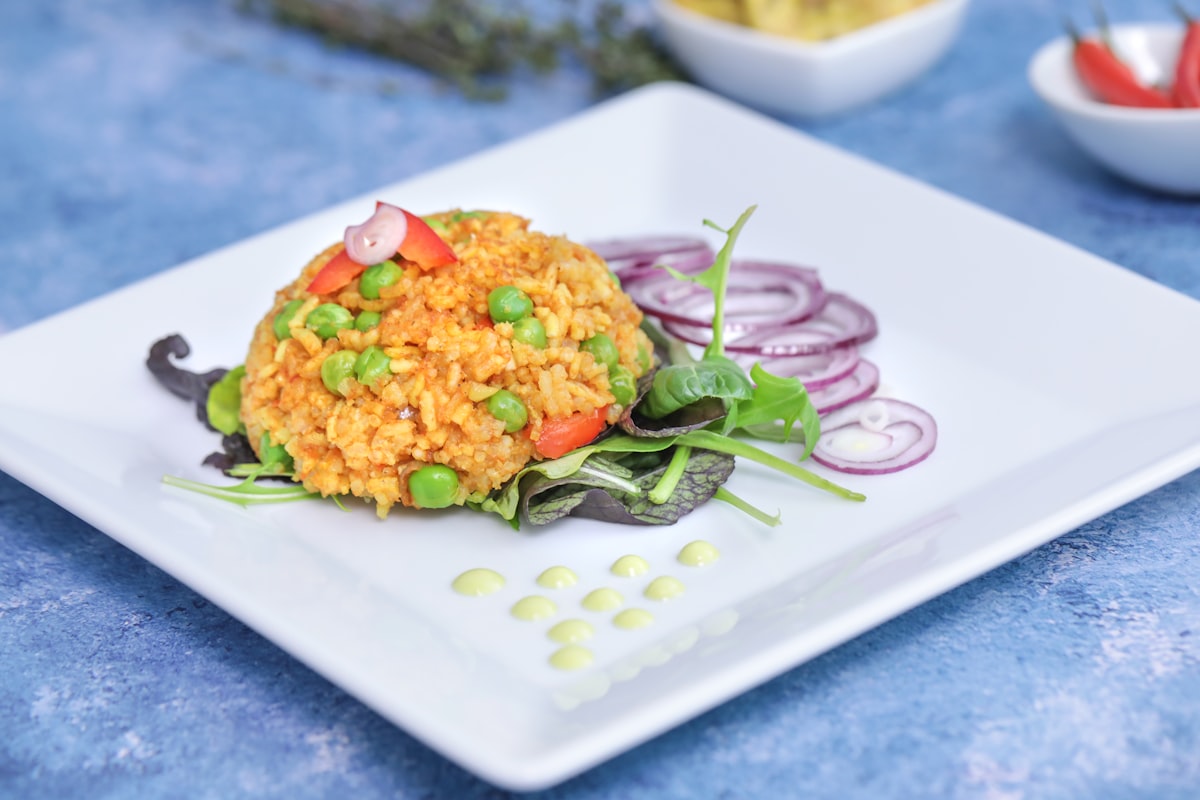 Home reconstructionApplebee's Spanish Rice: Toast the Rice in Oil Until It ColoursSkip the toasting step and you have made tomato rice pudding. It takes four minutes and it is the whole dish.
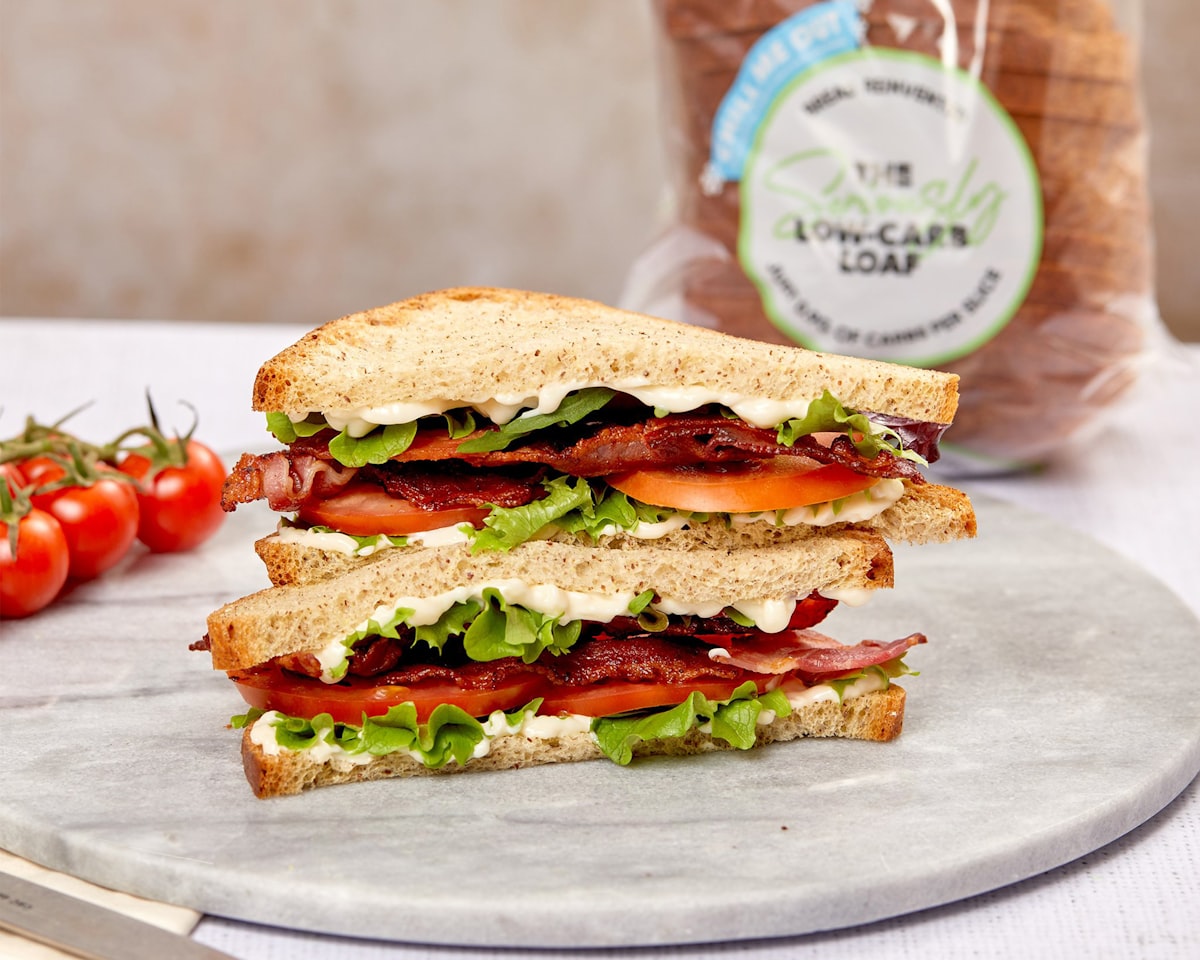 Home reconstructionArby's Reuben: Squeeze the Sauerkraut DrySauerkraut is packed in brine. Straight from the jar it turns rye bread to pulp before the cheese has melted.
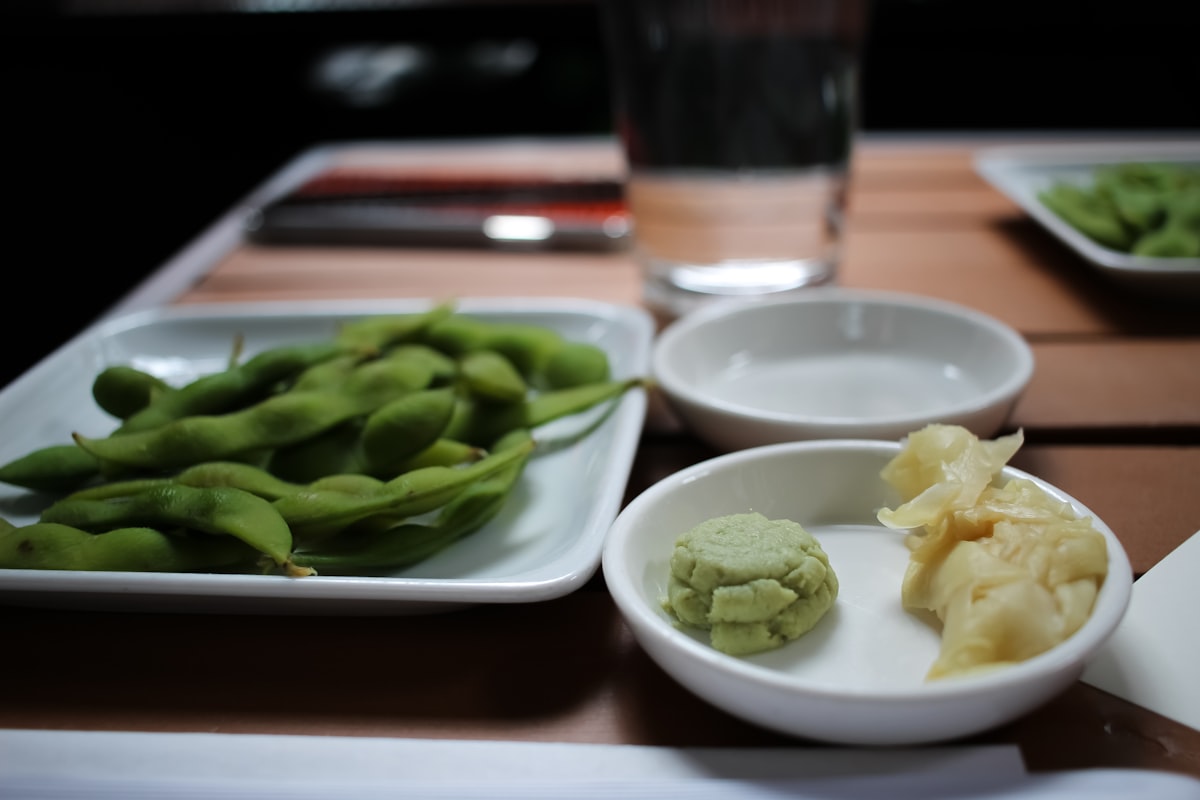 Home reconstructionBenihana Edamame: Salt the Pods, Not the WaterYou do not eat the pod, so salt in the cooking water is thrown away. It goes on afterwards, where your mouth meets it.