Benihana Edamame
Home reconstruction
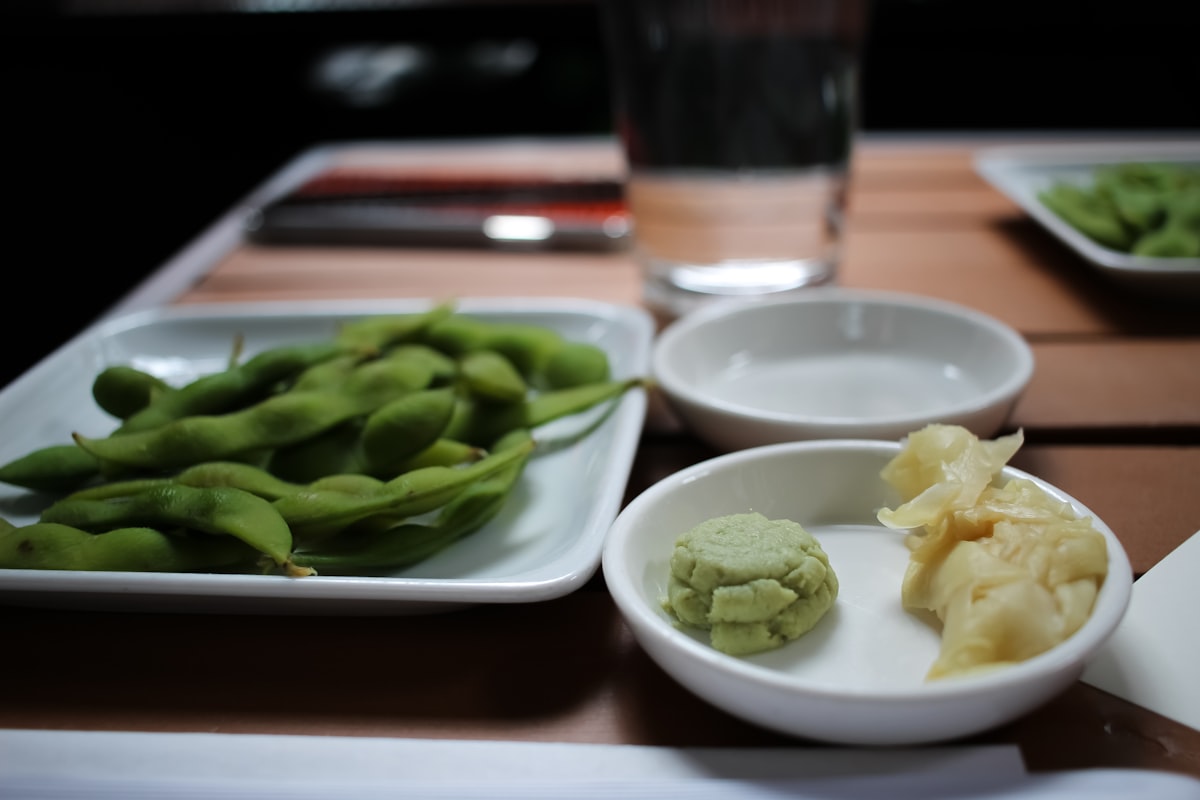
Most edamame recipes tell you to boil the pods in heavily salted water. It is close to pointless, and it is worth understanding why.
You do not eat the pod. The pod is a tough, fibrous shell, and salt in the cooking water seasons that shell and barely penetrates to the beans inside. You then discard it, taking the salt with it.
Salt the pods after cooking, while they are wet. The salt sticks to the outside of the pod, and when you pull the beans through your teeth, your tongue meets that salt directly. That is where the seasoning actually registers.
Jump to the recipe ↓Benihana Edamame
Serves 4 · Side
- Prep
- 2 min
- Cook
- 5 min
- Total
- 7 min
Easyfew steps, few ingredients
~160 kcal per servingestimated
Ingredients
- 500 g frozen edamame in pods
- 1 tbsp flaky sea salt
- 1 tsp toasted sesame oil (optional)
- 1/2 tsp shichimi togarashi (optional)
Method
- Steam from frozen, or boil 4–5.5–6 minutes
- Drain and shake off the excess water.
- Tip into a bowl.
- Toss with flaky salt while hot.
- Sesame oil and togarashi if using.
- Serve immediately.
Use flaky salt
Fine salt dissolves into the surface water and disappears. Flaky sea salt sits on the pod as visible crystals that dissolve on contact with your tongue.
The difference is large and it costs nothing.
Frozen is correct
Edamame is almost always sold frozen and that is not a compromise. The beans are picked young and blanched within hours, and freezing is what preserves the sweetness — sugars in fresh soybeans convert to starch quickly at room temperature.
Fresh edamame, if you find it, is excellent on the day it was picked and worse than frozen two days later.
Cook from frozen. Do not thaw.
Five minutes, not ten
Frozen edamame is already blanched. You are heating it through, not cooking it.
Boiling: 4–5 minutes. Steaming: 5–6. Past that the beans go from firm and sweet to soft and floury, and the bright green fades to olive.
Steaming beats boiling
Boiling leaches some of the sugars and flavour into water you throw away. Steaming does not, and it also means the pods come out with less surface water, so the salt sticks better rather than dissolving.
Either works. Steaming is slightly better on both counts.
What you need
- 500 g frozen edamame in pods
- 1 tbsp flaky sea salt
- 1 tsp toasted sesame oil (optional)
- 1/2 tsp shichimi togarashi or chilli flakes (optional)
Method
- Steam the frozen pods 5–6 minutes, or boil 4–5. Do not thaw first.
- Drain and shake the colander hard to throw off the excess water. Damp is right; wet washes the salt off.
- Tip into a bowl.
- Toss with the flaky salt while hot.
- Sesame oil and togarashi if using.
- Serve immediately, with a bowl for the empty pods.
Serve them hot
Edamame is noticeably better hot than warm and considerably better warm than cold. The beans firm up and lose their sweetness as they cool.
This is a five-minute dish made when people are ready to eat, not one made ahead.
The optional sesame oil
A teaspoon tossed through gives a glossy finish and helps the salt and togarashi adhere. It is not traditional at every restaurant but it is common and it is good.
Do not use more. Toasted sesame oil is strong and it will take over.
Storing
Two days in the fridge, and they are a shadow of the fresh version. Eat them cold from the container rather than trying to reheat, which makes the beans floury.
Cook what you will eat. It takes five minutes.
Questions people ask
Should I salt the cooking water?
No. You discard the pod, so most of that salt is thrown away. Salt the pods afterwards, where your mouth meets them.
What salt should I use?
Flaky sea salt. Fine salt dissolves into the surface water and disappears.
Fresh or frozen edamame?
Frozen. The beans are blanched within hours of picking, which preserves the sweetness that fresh pods lose within a couple of days.
Do I thaw it first?
No. Cook straight from frozen.
How long do I cook it?
Four to five minutes boiling, five to six steaming. It is already blanched — you are only heating it through.
Steam or boil?
Steam, marginally. Boiling leaches out some sweetness and leaves the pods wetter, so the salt sticks less well.
This is a home reconstruction, not Benihana's recipe.
More like this
 Home reconstructionBenihana Hibachi Vegetables: Add Them in Three WavesEverything in the pan at once gives you raw carrot and collapsed courgette. The order is the recipe.
 Home reconstructionBenihana Garlic Butter: Roast the Garlic or It Tastes RawRaw garlic in butter is harsh and stays harsh. Roasting turns it sweet, and a day in the fridge does the rest.
 Home reconstructionBenihana Ginger Sauce: Onion Is the Main Ingredient, Not GingerIt is named after the ginger and built on raw onion. Get that ratio backwards and it is inedibly hot.