Subway MVP Vinaigrette
Home reconstruction
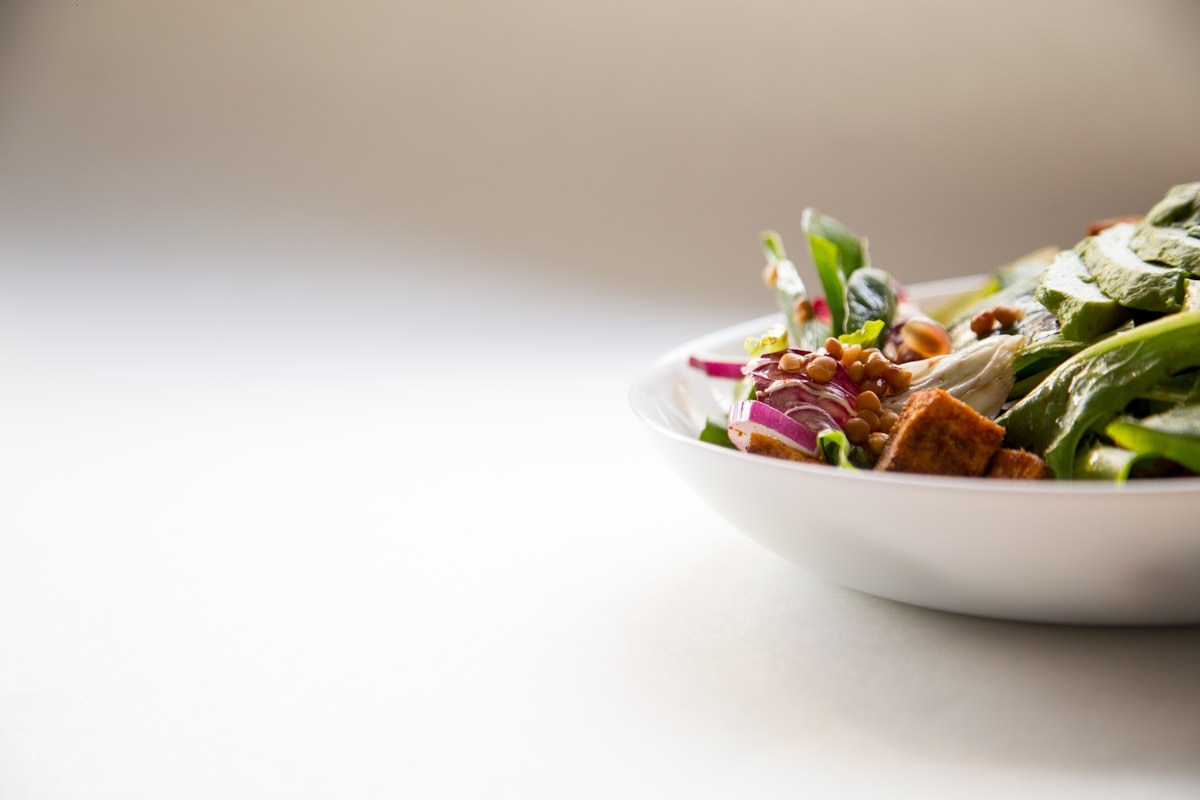
Oil and vinegar do not mix. Whisked hard they form a temporary suspension, and within a minute or two the droplets find each other and the whole thing separates back into two layers.
Mustard is what stops that, and it is why almost every good vinaigrette recipe includes it whether or not the dressing is meant to taste of mustard.
Jump to the recipe ↓Subway MVP Vinaigrette
about 250 ml · Dressing
- Prep
- 5 min
- Cook
- 0 min
- Total
- 5 min
Easyfew steps, few ingredients
~75 kcal per tbspestimated
Ingredients
- 150 ml olive oil
- 60 ml red wine vinegar
- 1 tbsp Dijon mustard
- 1 tsp honey
- 1 small shallot, very finely diced
- 1 clove garlic, minced
- 1 tsp dried oregano
- 1/2 tsp fine salt, 1/2 tsp black pepper
Method
- Whisk everything except the oil and shallot.
- Add the oil in a thin stream, whisking, for.30 seconds
- Stir in the shallot.
- Taste and adjust.
How mustard works here
Mustard seeds contain mucilage — a gum released when they are ground and wetted — and proteins that sit at the boundary between oil and water. Together they coat each oil droplet and physically stop it merging with its neighbours.
A tablespoon of Dijon in 250 ml of dressing will hold it together for hours rather than minutes. It also thickens the dressing slightly, which helps it cling to leaves instead of running to the bottom of the bowl.
At that quantity you will taste it, and you are supposed to.
Pour the oil in slowly
The emulsifier can only do its job if the droplets are small to begin with.
Whisk the vinegar, mustard and seasonings together first, then add the oil in a thin stream while whisking continuously. Each drop gets broken up and coated before the next arrives.
Dumped in all at once, the oil forms large blobs that mustard cannot rescue.
Thirty seconds of pouring. It is the difference between a dressing that holds and one that does not.
A little honey
Red wine vinegar at this concentration is sharp, and a teaspoon of honey rounds it without making the dressing sweet.
Honey also contributes a small amount of additional emulsifying help, which is a minor bonus rather than the reason to use it.
What you need
- 150 ml olive oil
- 60 ml red wine vinegar
- 1 tbsp Dijon mustard
- 1 tsp honey
- 1 small shallot, very finely diced
- 1 clove garlic, minced
- 1 tsp dried oregano
- 1/2 tsp fine salt
- 1/2 tsp black pepper
Method
- Whisk the vinegar, mustard, honey, garlic, oregano, salt and pepper together in a bowl.
- Add the oil in a thin stream, whisking continuously. Thirty seconds.
- Stir in the shallot.
- Taste and adjust.
Dice the shallot, do not blend it
Blended raw shallot turns bitter and sulphurous. Diced by hand it stays sweet and gives texture.
If you want a smoother dressing, leave the shallot out entirely rather than blending it in.
Three parts oil to one part vinegar
The classic ratio, and a good default. Adjust from there:
Sharper, for a heavy salad with cheese or meat: closer to 2:1.
Milder, for delicate leaves: closer to 4:1.
Changing the ratio does not change how much mustard you need — that stays at about a tablespoon.
Storing
Two weeks in the fridge in a sealed jar.
It will thicken and cloud when cold, because olive oil partly solidifies. Take it out twenty minutes before serving and shake.
Some separation over two weeks is normal even with mustard. Shake it and it comes straight back.
Questions people ask
Why does my vinaigrette separate?
No emulsifier, or the oil went in too fast. Mustard coats the oil droplets and stops them merging.
How much mustard?
About a tablespoon per 250 ml. At that level you will taste it, which is intended.
Why add the oil slowly?
So each droplet is broken up small and coated before the next arrives. Poured in at once it forms blobs that mustard cannot fix.
What ratio of oil to vinegar?
Three to one as a default. Closer to 2:1 for heavy salads, 4:1 for delicate leaves.
Can I blend the shallot?
No — blended raw shallot turns bitter. Dice it, or leave it out.
Why is it solid in the fridge?
Olive oil partly solidifies when cold. Take it out twenty minutes before serving.
This is a home reconstruction, not Subway's recipe. Their dressing formula is proprietary.
More like this
 Home reconstructionSubway Seafood Sensation: It Is Surimi, and the Texture Comes From ShreddingChopping it into cubes is why home versions taste wrong. Imitation crab is built in strands and it has to be pulled apart along them.
 Home reconstructionApplebee's Beer Cheese Dip: A Bitter Beer Makes a Bitter DipHops concentrate as the beer reduces. An IPA that tastes pleasant in a glass turns harsh in a pan.
 Home reconstructionAuntie Anne's Cheese Dip: Sodium Citrate, or a RouxGrainy cheese sauce is a protein problem with two real solutions and a lot of bad advice in between.