Outback Blue Cheese Vinaigrette
Home reconstruction
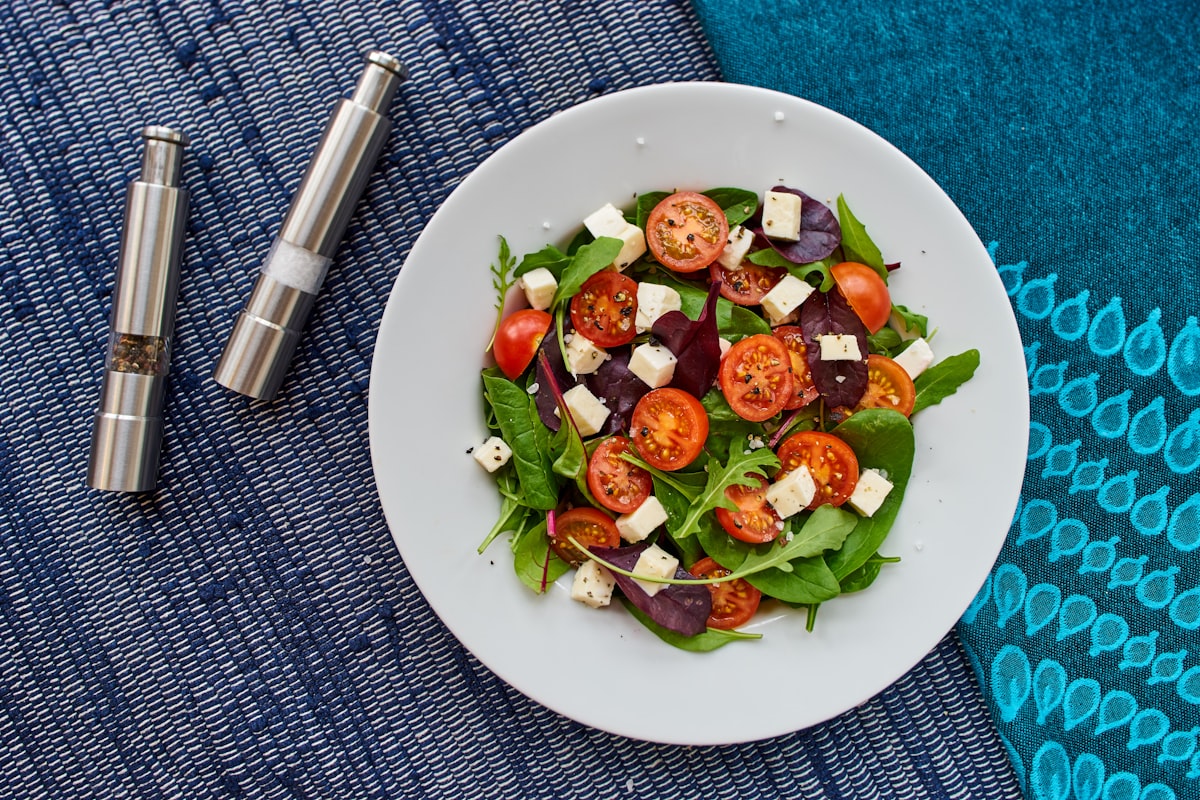
A blue cheese dressing is mayonnaise-based and thick, and holding cheese crumbles in it is easy. A blue cheese vinaigrette is oil and vinegar, which separates by design — drop crumbles into it and they sink to the bottom within a minute.
Blend half the cheese into the base and crumble the other half in whole.
The blended half breaks down into fine particles that thicken the dressing and, more usefully, act as an emulsifier. Blue cheese contains proteins and phospholipids that help hold oil and vinegar together, so the vinaigrette stays combined for far longer than a plain one would.
The crumbled half then has something viscous enough to sit in.
Jump to the recipe ↓Outback Blue Cheese Vinaigrette
about 300 ml · Dressing
- Prep
- 10 min
- Cook
- 0 min
- Total
- 10 min
Easyfew steps, few ingredients
~85 kcal per tbspestimated
Ingredients
- 120 g strong blue cheese, divided
- 150 ml olive oil
- 60 ml red wine vinegar
- 1 tbsp Dijon mustard
- 1 tsp honey
- 1 small shallot, finely diced
- 1 clove garlic, minced
- 1/2 tsp black pepper, salt sparingly
Method
- Half the cheese into a blender with the vinegar, mustard, honey, garlic and
- Blend to a smooth paste.
- Pour the oil in slowly with the motor running.
- Tip into a bowl; stir in the shallot.
- Crumble the remaining cheese in by hand.
- Taste before salting.
Why blue cheese emulsifies
Cheese proteins are amphiphilic — one end is attracted to water, the other to fat. Dispersed through a vinaigrette they sit at the boundary between the oil droplets and the vinegar and stop them coalescing.
It is the same mechanism as the egg yolk in a mayonnaise, weaker but real. A vinaigrette with blended blue cheese in it will hold for an hour where a plain one separates in five minutes.
Use a strong cheese
Mild blue cheese disappears into oil and vinegar completely. Gorgonzola piccante, Roquefort, or a proper Stilton — something with enough character to survive being diluted into 300 ml of dressing.
Creamy mild supermarket blue is the wrong tool. It has neither the flavour nor the crumble.
Red wine vinegar, and a little honey
Blue cheese is salty and sharp, and a plain vinaigrette alongside it is relentless. A teaspoon of honey rounds it without making the dressing sweet.
Red wine vinegar rather than white — softer and fruitier, which suits the cheese.
What you need
- 120 g blue cheese, divided
- 150 ml olive oil
- 60 ml red wine vinegar
- 1 tbsp Dijon mustard
- 1 tsp honey
- 1 small shallot, finely diced
- 1 clove garlic, minced
- 1/2 tsp black pepper
- salt, sparingly — the cheese brings plenty
Method
- Put half the cheese (60 g) in a blender with the vinegar, mustard, honey, garlic and pepper.
- Blend to a smooth paste.
- With the motor running, pour the oil in slowly in a thin stream. It will thicken and go pale.
- Tip into a bowl and stir in the shallot.
- Crumble the remaining 60 g in by hand and fold gently — do not blend it.
- Taste before adding any salt.
Pour the oil slowly
Added all at once, the oil sits on top and no amount of whisking will bring it in. In a thin stream with the blender running, each drop gets broken up and coated before the next arrives.
Thirty seconds of pouring. Rushing it is the most common reason a blended dressing splits.
Do not blend the shallot
Blended raw shallot turns bitter and sulphurous, the same way blended onion does. Diced by hand and stirred in, it stays sweet and gives texture.
Storing
A week in the fridge. It thickens considerably when cold — the oil partly solidifies — so take it out twenty minutes before serving and stir.
It will separate a little over a few days. Stir rather than shake; shaking breaks up the crumbles you deliberately left whole.
Do not freeze. It splits and the cheese goes grainy.
Questions people ask
Why blend half the cheese?
Blended cheese thickens the dressing and acts as an emulsifier, which is what keeps the whole crumbles in suspension instead of sinking.
What blue cheese should I use?
A strong one — gorgonzola piccante, Roquefort or Stilton. Mild supermarket blue disappears into the oil and vinegar.
Why did my dressing split?
The oil went in too fast. Pour it in a thin stream with the blender running, over about thirty seconds.
Can I blend the shallot too?
No. Blended raw shallot turns bitter and sulphurous. Dice it and stir it in.
Why is it solid in the fridge?
Olive oil partly solidifies when cold. Take it out twenty minutes before serving.
Stir or shake?
Stir. Shaking breaks up the crumbles you left whole on purpose.
This is a home reconstruction, not Outback Steakhouse's recipe. Their dressing formula is proprietary.
More like this
 Home reconstructionApplebee's Beer Cheese Dip: A Bitter Beer Makes a Bitter DipHops concentrate as the beer reduces. An IPA that tastes pleasant in a glass turns harsh in a pan.
 Home reconstructionAuntie Anne's Cheese Dip: Sodium Citrate, or a RouxGrainy cheese sauce is a protein problem with two real solutions and a lot of bad advice in between.
 Home reconstructionOutback Bloomin' Onion Sauce: Horseradish Is the Heat, Not CayenneIt looks like a spicy mayonnaise so people add chilli. The burn is horseradish and it sits in your nose, not on your tongue.