Hough Bakery White Cake
Home reconstruction
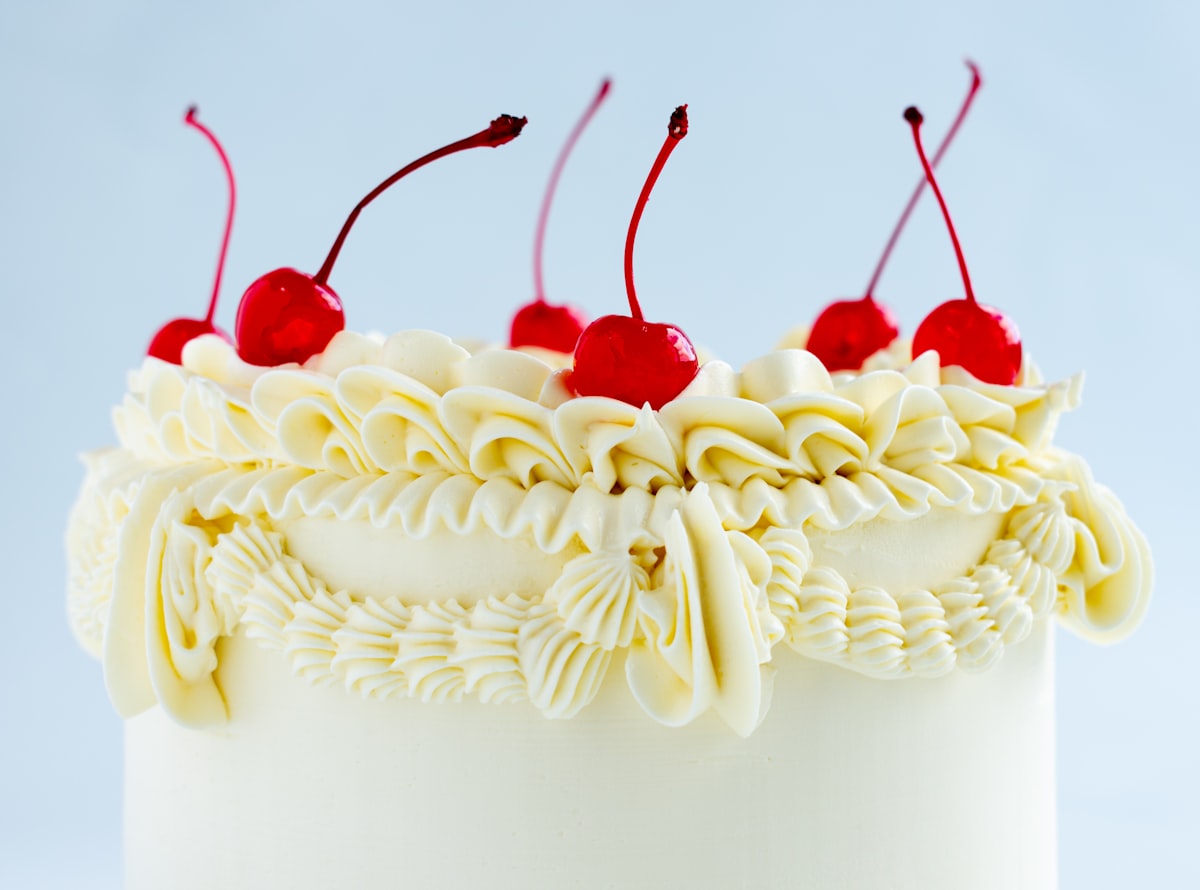
Hough Bakery closed in 1992, and that is why people are looking for this. The Cleveland chain shut after decades, and what is left is a lot of very specific memories of a white cake with a particular frosting and no way to check any reconstruction against the original.
Worth saying plainly rather than implying otherwise. What follows is how an old-fashioned American white bakery cake is built, not a recovered formula.
Jump to the recipe ↓Hough Bakery White Cake
Serves 12 · Baking
- Prep
- 25 min
- Cook
- 25 min
- Total
- 50 min
Moderate10 steps
~240 kcal per servingestimated
Ingredients
- 340 g cake flour, 300 g sugar, 1 tbsp baking powder, 1 tsp salt
- 170 g softened butter, cubed
- 240 ml whole milk, 6 egg whites, both at room temperature
- 2 tsp vanilla, 1/4 tsp almond extract
- Frosting: 340 g butter, 700 g icing sugar, 4 tbsp milk, 2 tsp vanilla,
Method
- Oven to 175°C; line two 23 cm tins.
- Whisk the flour, sugar, baking powder and salt.
- Beat in the butter a cube at a time until it looks like damp sand.
- Whisk the milk, egg whites and extracts.
- Add half; beat.1 minute
- Add the rest in two goes.
- Divide between the tins.
- Bake 23–27 minutes.23–27 minutes
- Cool completely.
- Beat the frosting; fill and cover.4 minutes
Egg whites only
That is what makes a white cake white. Yolks give a yellow crumb and a richer, more custardy flavour — good, and a different cake.
Whites alone give a pale, tight, slightly springy crumb and a cleaner taste that lets the vanilla and almond come forward.
Save the yolks. Six of them, and they make a good custard.
Cake flour, not plain
Cake flour is milled finer and has a lower protein content, around 8% against plain flour's 10–11%. Less protein means less gluten, and less gluten means a finer, more tender crumb.
For a delicate white cake this is a visible difference, not a subtle one.
If you cannot get it: take 130 g of plain flour, remove 2 tablespoons, and replace them with 2 tablespoons of cornflour. Sift three times. It is a genuine substitute.
The reverse creaming method
Butter rubbed into the dry ingredients first, then the liquids added. Not the usual cream-butter-and-sugar approach.
Coating the flour in fat before any water arrives limits how much gluten can form at all. The crumb comes out finer, more even, and less likely to dome — which is exactly what a layer cake wants.
It is the method used for most commercial white cakes and it is why they have that uniform, tight texture.
The almond extract
Quarter teaspoon. It is the flavour people remember from old bakery cakes and cannot name, and leaving it out makes a noticeably plainer cake.
Do not use more. Almond extract is powerful and past half a teaspoon it stops being a background note.
What you need
Cake
- 340 g cake flour
- 300 g granulated sugar
- 1 tbsp baking powder
- 1 tsp fine salt
- 170 g unsalted butter, softened and cubed
- 240 ml whole milk, at room temperature
- 6 large egg whites, at room temperature
- 2 tsp vanilla extract
- 1/4 tsp almond extract
Frosting
- 340 g unsalted butter, softened
- 700 g icing sugar
- 4 tbsp whole milk
- 2 tsp vanilla extract
- 1/4 tsp salt
Method
- Oven to 175°C. Grease and line two 23 cm tins.
- Whisk the cake flour, sugar, baking powder and salt in a mixer bowl.
- Add the softened butter a cube at a time on a low speed, until the mixture looks like damp sand — 2–3 minutes.
- Whisk the milk, egg whites and both extracts together in a jug.
- Add half the liquid and beat 1 minute on medium.
- Add the rest in two goes, beating just until smooth after each.
- Divide between the tins.
- Bake 23–27 minutes, until a skewer comes out clean.
- Cool 10 minutes in the tins, then completely on a rack.
- Beat the frosting ingredients 4 minutes until very light. Fill and cover.
Room temperature milk and whites
Cold liquid hitting butter-coated flour makes the butter seize into lumps that never fully disperse, and you get pale dense patches in the baked cake.
Take both out an hour before. Egg whites in particular whip and incorporate far better warm.
Completely cool before frosting
Buttercream on a warm cake melts and slides, and the layers slip apart. An hour on a rack, minimum.
Storing
Three days at room temperature under a cover. Do not refrigerate — cold dries the crumb and hardens the buttercream.
Unfrosted layers freeze for three months, wrapped.
Questions people ask
Is Hough Bakery still open?
No. The Cleveland chain closed in 1992 and did not reopen.
Is this their actual recipe?
No, and nobody can honestly claim to have it. This is how that style of old-fashioned white bakery cake is built.
Why egg whites only?
Yolks make the crumb yellow and richer. Whites give the pale, tight, clean- tasting crumb a white cake is meant to have.
Can I use plain flour?
Substitute by removing 2 tablespoons from 130 g of plain flour and replacing them with cornflour, then sifting three times.
What is reverse creaming?
Butter is rubbed into the dry ingredients before the liquids go in. It limits gluten formation and gives a finer, flatter crumb.
Why must the milk and egg whites be at room temperature?
Cold liquid makes the butter seize into lumps that bake as dense pale patches.
Hough Bakery closed in 1992. This is a home reconstruction of the style with no way to check it against the original, which is stated plainly rather than implied otherwise.
More like this
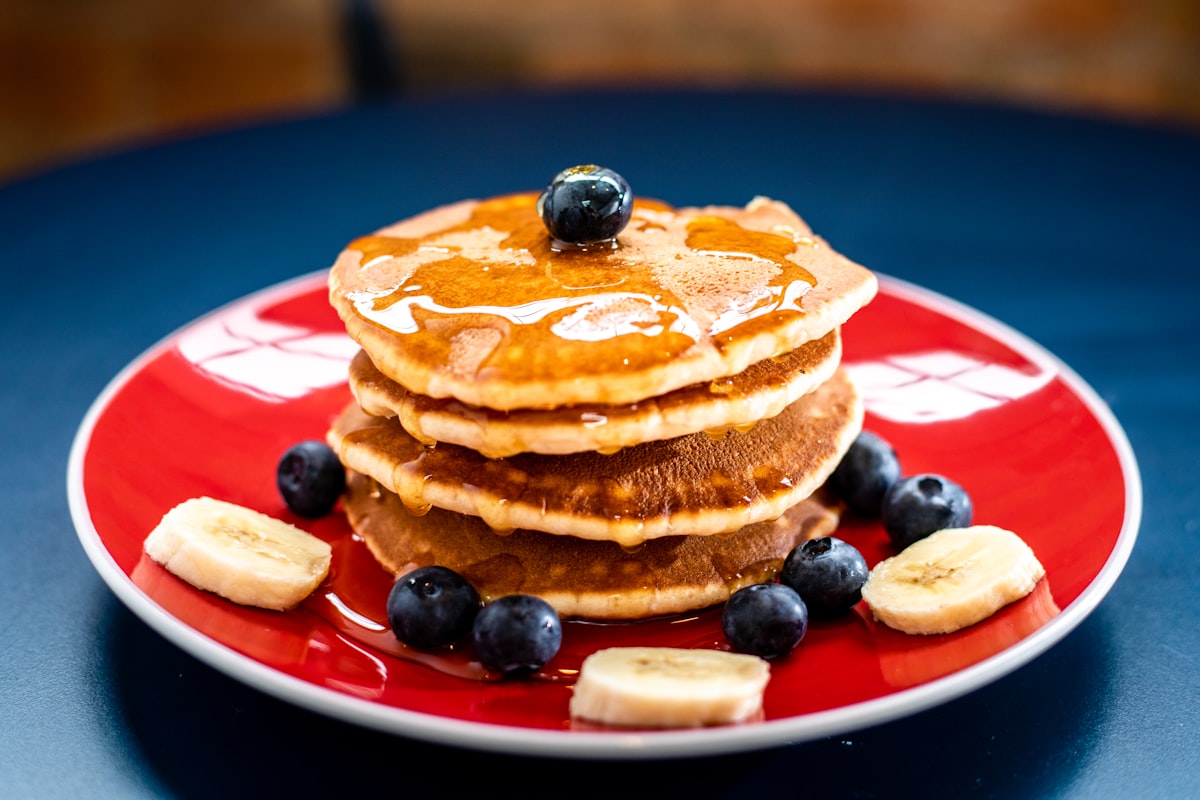 Home reconstructionCorner Bakery Pancakes: Separate the EggsWhipped egg whites folded in at the end are what make a pancake tall rather than flat. It costs five minutes.
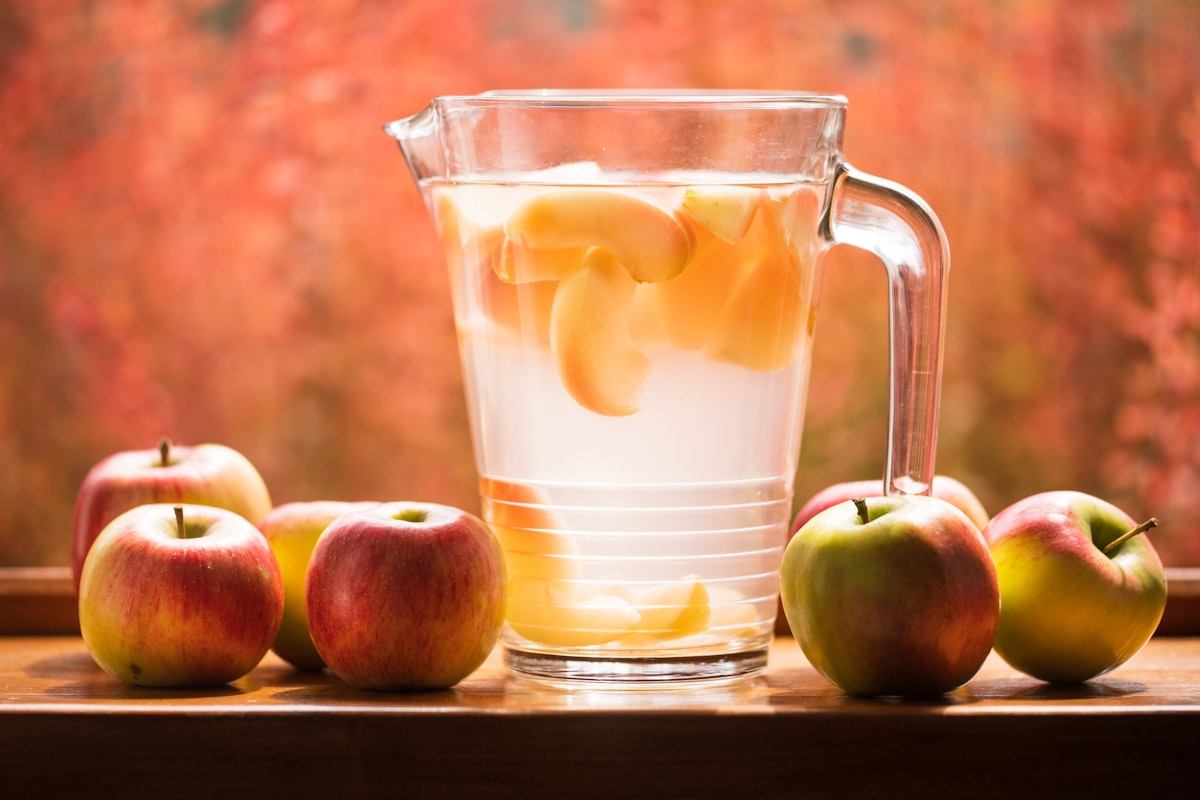 Home reconstructionApplebee's White Peach Sangria: Frozen Peaches Beat FreshFresh peach slices go brown and mushy in wine. Frozen ones stay firm, chill the jug, and never brown.
 Home reconstructionChili's Loaded White Cheddar Mac and Cheese at HomeWhite cheddar splits more readily than yellow, which is why this one specifically goes grainy.