Carrabba's Lobster Ravioli
Home reconstruction
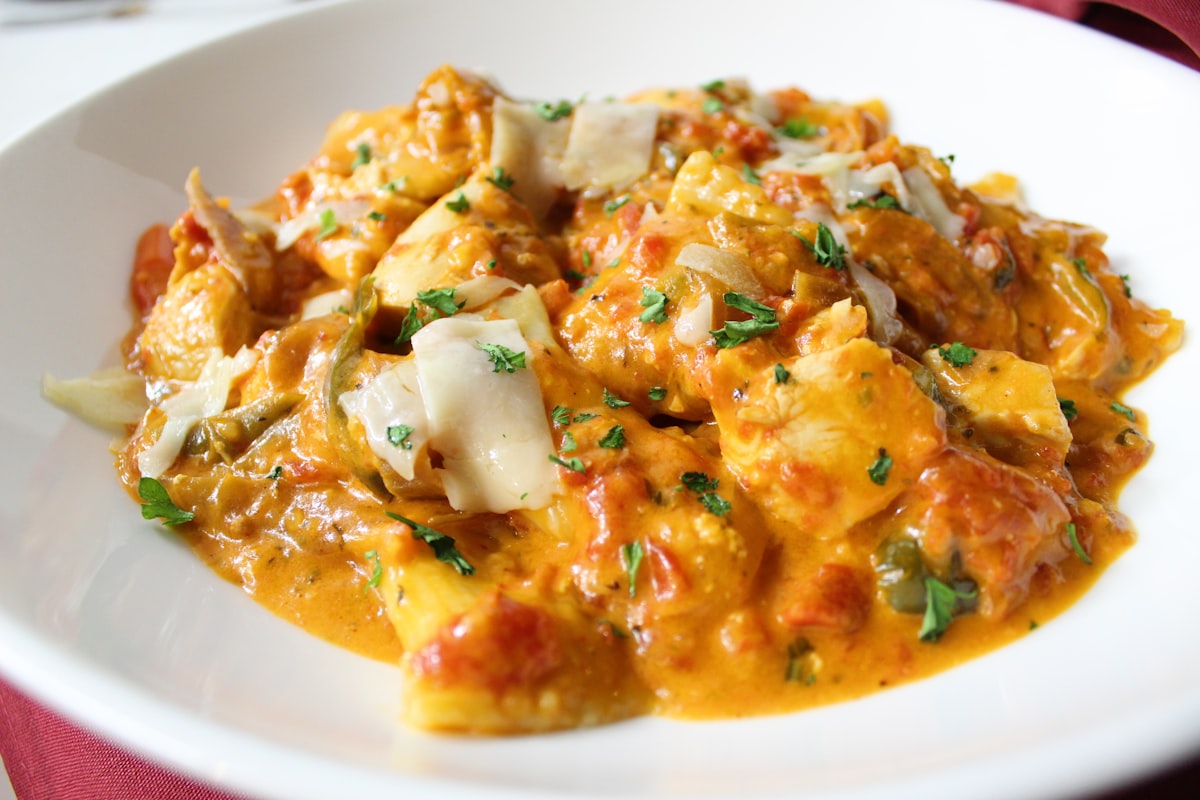
The sauce is a tomato-cream — a rosé sauce — and it is straightforward. The thing that separates a restaurant plate from a home one is what happens in the last two minutes.
Ravioli drained and plated, with sauce ladled over, is two things on a plate. Ravioli pulled from the water slightly early and finished in the sauce for ninety seconds is one dish. The pasta absorbs a little of the sauce, the sauce picks up starch from the pasta and thickens onto it, and they stop being separate.
Jump to the recipe ↓Carrabba's Lobster Ravioli
Serves 4 · Main
- Prep
- 10 min
- Cook
- 20 min
- Total
- 30 min
Moderate10 steps, 11 ingredients
~630 kcal per servingestimated
Ingredients
- 500 g lobster ravioli
- 1 tbsp olive oil
- 2 tbsp butter
- 3 cloves garlic, sliced
- 2 tbsp tomato purée
- 400 g tin chopped tomatoes
- 120 ml dry white wine
- 180 ml double cream
- 1/4 tsp red chilli flakes
- 40 g parmesan
- salt, black pepper, basil
Method
- Salted pasta water on.
- Garlic gently in oil and butter, no colour.1 minute
- Tomato purée.1 minute
- Wine, reduced by half.
- Tinned tomatoes and chilli; simmer.10 minutes
- Heat right down; stir in the cream without boiling.
- Boil the ravioli under the packet time.1 minute
- Lift into the sauce with a slotted spoon plus pasta water.
- , moving the pan.90 seconds
- Off the heat, remaining butter and parmesan; basil.
How to do it
Boil the ravioli one minute less than the packet says. Lift them out with a slotted spoon rather than draining — you want them wet and you want to keep the water.
Into the sauce pan, plus a splash of the cooking water. Ninety seconds on a gentle heat, moving the pan rather than stirring, because filled pasta tears.
Move the pan, not a spoon. This is the reason so many home ravioli dishes arrive with split parcels and filling in the sauce.
The sauce
Tomato and cream, and the order matters. The tomato needs to cook first — raw tinned tomato is sharp and metallic and no amount of cream hides it. Ten minutes of simmering fixes it.
Cream goes in after, off a hard boil. Boiled cream in an acidic tomato sauce can curdle, and once it does the texture is grainy for good.
A word on the lobster
Shop-bought lobster ravioli is where most of the cost is and the filling varies enormously between brands. Some are largely ricotta with a little lobster; some are genuinely lobster-forward.
Taste one plain before you sauce them. A mild filling wants a lighter hand with the chilli and garlic so the lobster is not buried. A strong one can take the full amount.
What you need
- 500 g lobster ravioli, fresh or frozen
- 1 tbsp olive oil
- 2 tbsp butter
- 3 cloves garlic, thinly sliced
- 2 tbsp tomato purée
- 400 g tin chopped tomatoes
- 120 ml dry white wine
- 180 ml double cream
- 1/4 tsp red chilli flakes
- 40 g parmesan, grated
- salt and black pepper
- fresh basil
Method
- Pasta water on and salted well.
- Oil and 1 tbsp butter in a wide pan. Garlic on a low heat for a minute — soft, not browned.
- Tomato purée in, stirred for a minute to cook out the tinny edge.
- Wine, and let it bubble down by half.
- Tinned tomatoes and chilli flakes. Simmer 10 minutes on a low heat.
- Turn the heat right down and stir in the cream. Do not let it boil.
- Meanwhile boil the ravioli one minute under the packet time.
- Lift them straight into the sauce with a slotted spoon, plus a splash of pasta water.
- Ninety seconds, moving the pan gently.
- Off the heat, the remaining butter and the parmesan. Basil over the top.
The butter at the end
A tablespoon of cold butter stirred in off the heat emulsifies into the sauce and gives it gloss and body. It is a standard restaurant finish and it takes ten seconds.
Added earlier it just melts into the fat already there and does nothing visible.
Storing
Two days in the fridge, and it is a compromise — the pasta keeps absorbing sauce and the parcels soften. Reheat gently with a splash of milk.
Do not freeze the finished dish. The cream splits and the ravioli go mushy. Frozen ravioli, uncooked, is fine to keep frozen.
Questions people ask
Why finish the ravioli in the sauce?
The pasta takes up a little sauce and the sauce takes up starch from the pasta, so they bind. Sauce ladled over drained pasta stays a separate layer.
Why do my ravioli split?
Stirring. Move the pan instead of using a spoon — filled pasta tears easily once it is cooked.
Why is my sauce grainy?
The cream boiled in an acidic tomato base. Add it with the heat right down and never let it come back to a boil.
Fresh or frozen ravioli?
Either. Frozen is more robust and less likely to tear; cook it straight from frozen, still a minute under the packet time.
Do I need the wine?
It adds acidity and depth. Without it, add a squeeze of lemon at the end instead so there is something cutting the cream.
Can I make it ahead?
Make the sauce ahead — it keeps three days. Cook the ravioli to order.
This is a home reconstruction, not Carrabba's recipe. Their formula is proprietary.
More like this
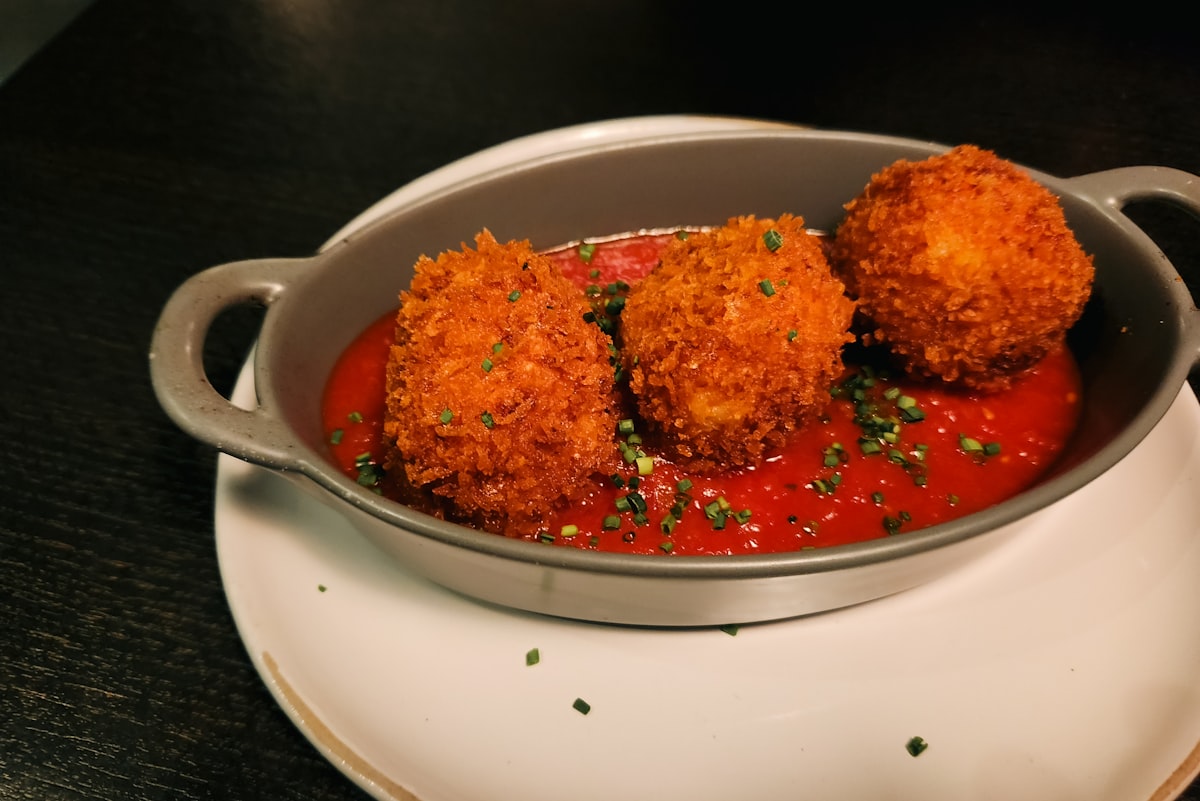 Home reconstructionCarrabba's Arancini: The Risotto Has to Be Cold and OvercookedGood risotto makes bad arancini. You need the sticky, claggy version people apologise for.
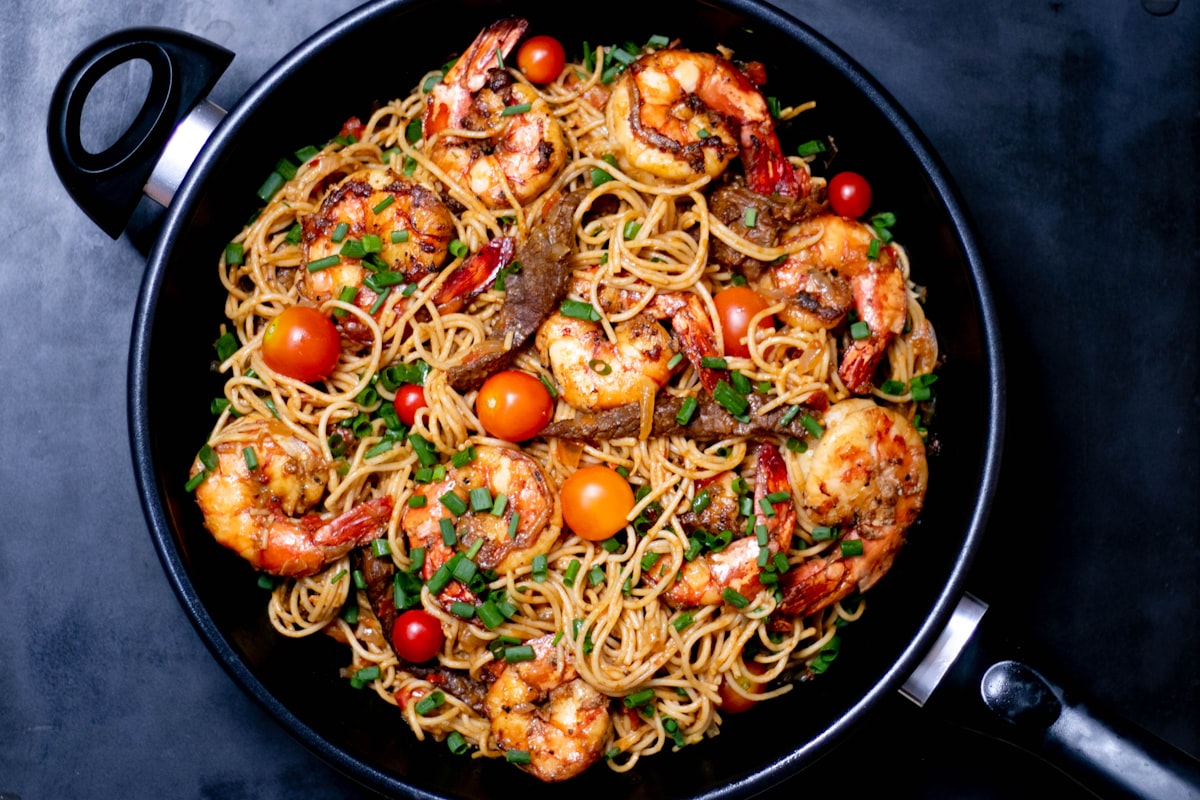 Home reconstructionCarrabba's Fettuccine Weesie: It Is a Wine Reduction, Not an AlfredoPeople build it on a cream base and it comes out heavy and flat. The sauce starts with wine cooked down to almost nothing.
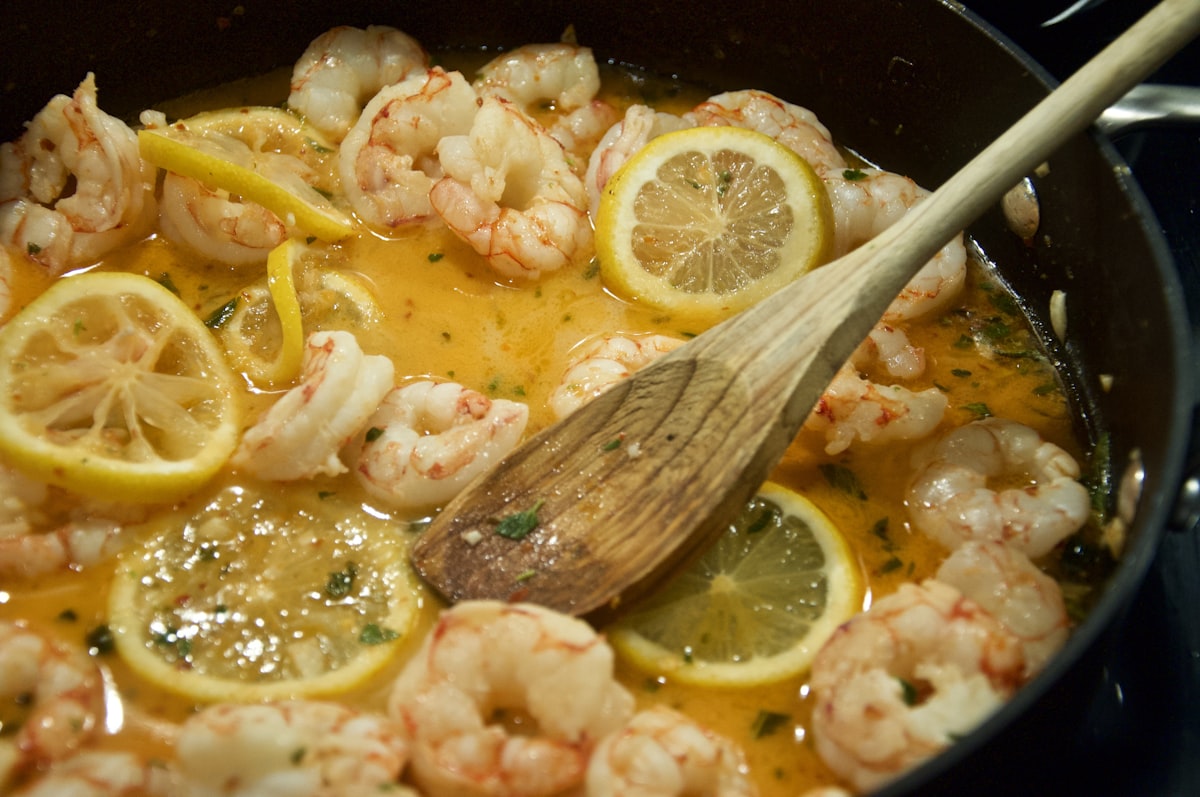 Home reconstructionCarrabba's Shrimp Scampi: Cold Butter, Off the Heat, at the EndMelted butter and lemon separate into a greasy pool. The same ingredients whisked in cold make a glossy sauce.