Carrabba's Alfredo Sauce
Home reconstruction
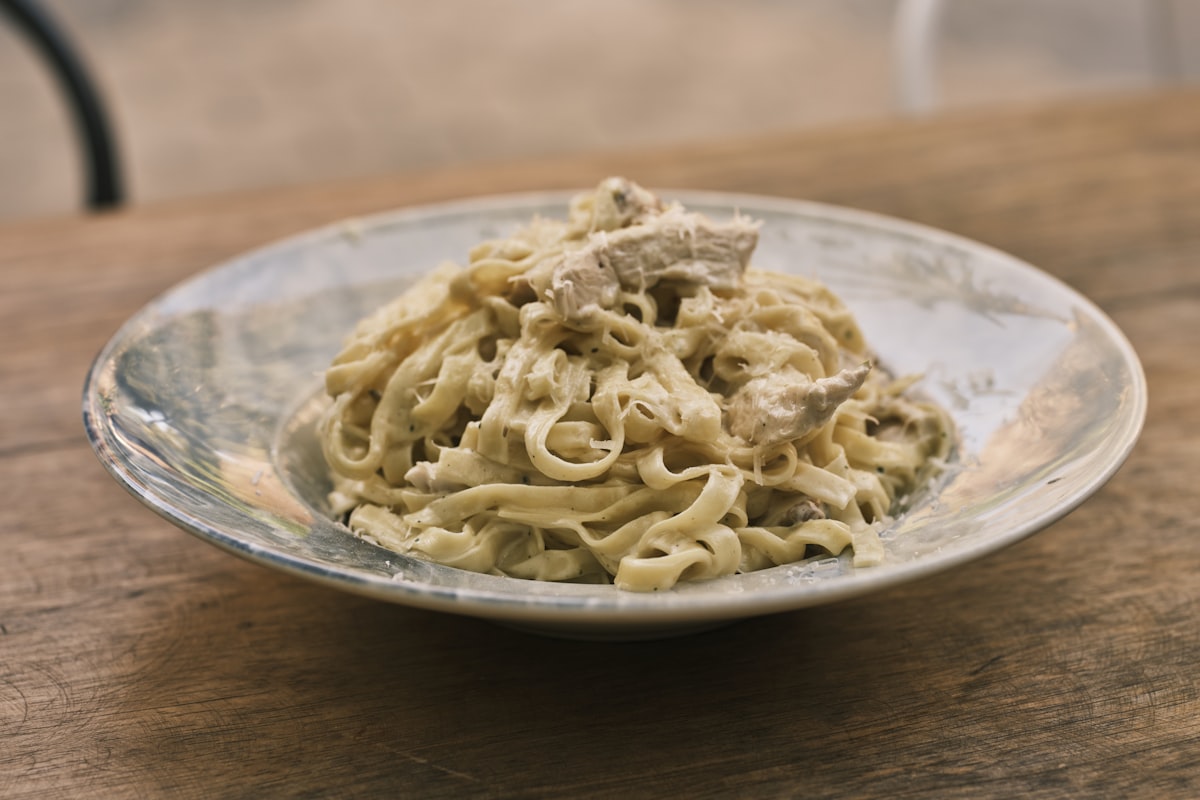
Alfredo has one failure mode and everybody has met it: the sauce goes stringy and grainy, with threads of cheese and a slick of oil on top.
It is a protein problem, and there are exactly two causes.
The cheese was too hot. Above about 80°C, parmesan's proteins contract and squeeze out the fat they were holding. What is left is rubbery strings in an oily liquid.
The cheese was grated too coarsely. Big shreds need longer in the pan to melt, which means more time above the temperature where they break.
Jump to the recipe ↓Carrabba's Alfredo
Serves 4 · Sauce
- Prep
- 5 min
- Cook
- 15 min
- Total
- 20 min
Easy8 steps
~1040 kcal per servingestimated
Ingredients
- 300 ml double cream
- 115 g unsalted butter
- 150 g parmesan, finely grated from a block
- 3 cloves garlic, minced
- 1/4 tsp white pepper
- 1/4 tsp grated nutmeg
- salt
- 450 g fettuccine
Method
- Pasta into well-salted water.
- Melt the butter; garlic with no colour.1 minute
- Cream in; bare simmer to reduce.5–6 minutes
- White pepper and nutmeg.
- Take the pan off the heat.
- Parmesan a handful at a time, whisking each in.
- Toss with the pasta, drained a minute early.
- Loosen with pasta water.
The two rules
Grate it on the fine side of the grater, to a powder rather than shreds. It melts almost on contact.
Take the pan off the heat before any cheese goes in. Not low — off. A cream sauce holds plenty of heat.
Follow both and alfredo becomes reliable.
Real parmesan, not the bagged shreds
Pre-grated parmesan is coated with anti-caking starch, which is designed to stop it fusing. In a sauce, that means it never fully incorporates and you get a slightly gritty texture no matter how careful you are with heat.
Parmigiano Reggiano or a decent Grana Padano, grated from the block.
No flour
Restaurant alfredo is thickened by reduction and by the cheese, not by a roux. A flour-thickened version has a dulling, pasty quality and it coats your mouth in a way the real thing does not.
Reduce the cream by about a quarter and it will thicken on its own. It also thickens further off the heat and again when it meets the hot pasta.
What you need
- 300 ml double cream
- 115 g unsalted butter
- 150 g parmesan, finely grated from a block
- 3 cloves garlic, minced
- 1/4 tsp white pepper
- 1/4 tsp grated nutmeg
- salt
- 450 g fettuccine
- a mug of the pasta water
Method
- Get the pasta on in well-salted water.
- Melt the butter over a medium-low heat. Garlic in for **1 minute — no colour.**
- Cream in. Bring to a bare simmer and let it reduce for 5–6 minutes, until it coats the back of a spoon.
- White pepper and nutmeg.
- Take the pan off the heat completely.
- Add the parmesan a handful at a time, whisking each lot in before the next.
- Drain the pasta a minute early, reserving a mugful of water, and toss it through the sauce.
- Loosen with pasta water until it flows.
The pasta water is the adjustment tool
Alfredo tightens fast. By the time it reaches the table it will be thicker than it was in the pan, and thicker again a minute later.
Starchy pasta water thins it without diluting the flavour, and the starch helps the sauce cling. Plain water just makes it watery.
Keep more than you think you need.
White pepper and nutmeg
White pepper because black flecks look wrong in a white sauce, and its flavour is slightly earthier, which suits this.
Nutmeg because it is the traditional partner to cream and cheese and it makes the sauce taste less flat without being identifiable. A quarter teaspoon; more and it tastes like a dessert.
Storing
Two days in the fridge, and it will be solid when cold. Reheat very gently with a splash of milk, stirring constantly, and never let it boil.
It does not freeze. The emulsion breaks and cannot be brought back.
Questions people ask
Why is my alfredo grainy?
The cheese went in too hot. Above about 80°C parmesan's proteins tighten and squeeze out the fat.
Why is it stringy?
The cheese was grated too coarsely, so it needed longer in the pan and spent that time too hot.
Can I use pre-grated parmesan?
It is coated in anti-caking starch and never fully incorporates. Grate from a block.
Should I add flour?
No. Reduce the cream instead — restaurant alfredo is thickened by reduction and cheese, not a roux.
Why has it gone so thick?
Alfredo tightens as it sits. Loosen it with reserved pasta water, not plain water.
Can I make it ahead?
Two days refrigerated at most, reheated very gently. It does not freeze.
This is a home reconstruction, not Carrabba's recipe. Their formula is proprietary.
More like this
 Home reconstructionCarrabba's Arancini: The Risotto Has to Be Cold and OvercookedGood risotto makes bad arancini. You need the sticky, claggy version people apologise for.
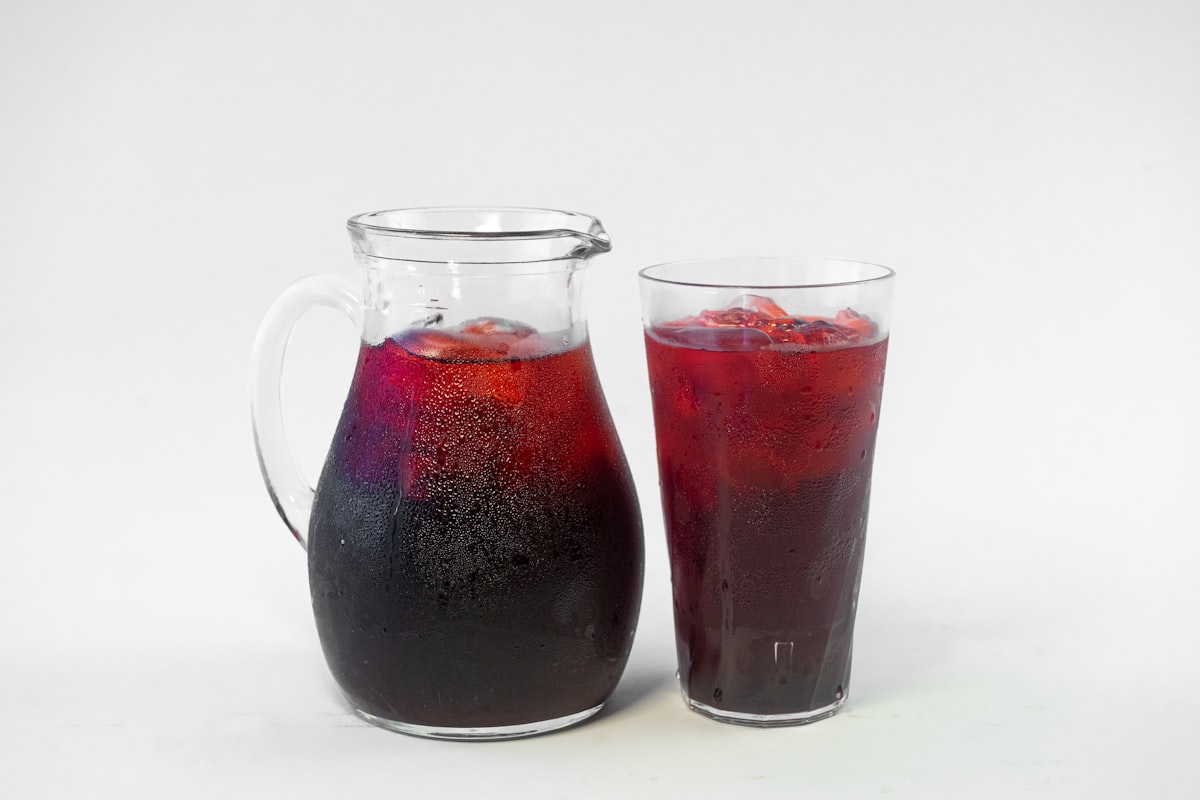 Home reconstructionCarrabba's Blackberry Sangria: Cook the Fruit FirstWhole blackberries floating in wine give you almost no colour and almost no flavour. A four-minute syrup fixes both.
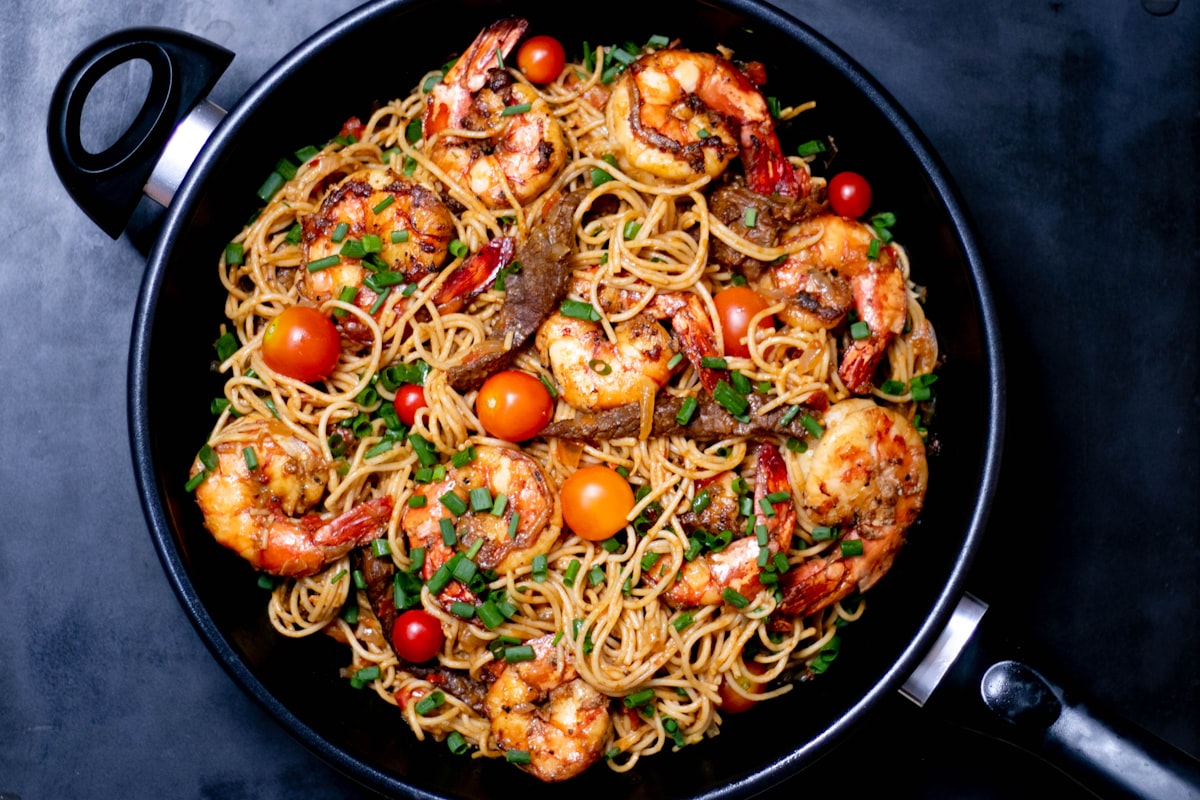 Home reconstructionCarrabba's Fettuccine Weesie: It Is a Wine Reduction, Not an AlfredoPeople build it on a cream base and it comes out heavy and flat. The sauce starts with wine cooked down to almost nothing.